 admin
admin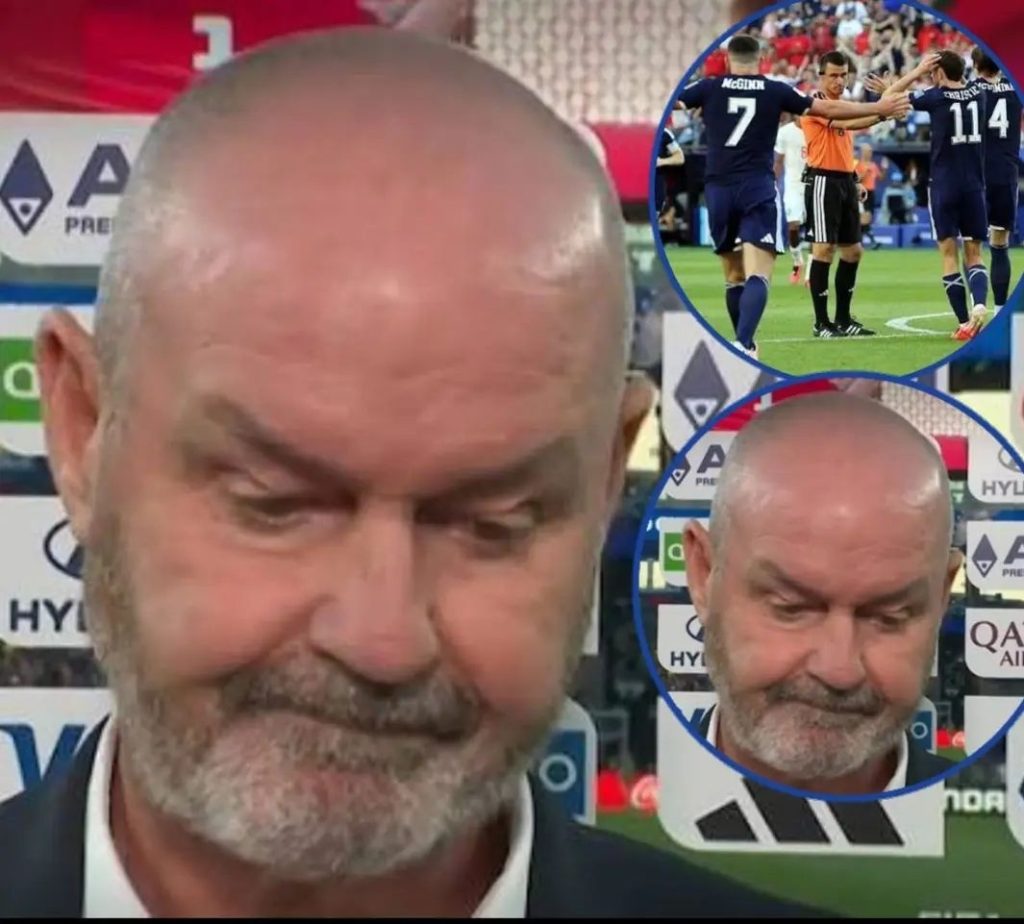
Heartbreaking Moment as Steve Clarke Reveals Why He Snubbed Officials After Scotland’s Defeat to Morocco
Scotland’s World Cup hopes suffered a major setback on Friday night after a narrow 1-0 defeat to Morocco in a fiercely contested Group C encounter that was overshadowed by controversy, frustration, and emotional scenes at full-time.
Morocco struck early with a decisive goal that ultimately separated the two sides, but the match quickly became defined not by the scoreline, but by a series of disputed refereeing decisions that left the Scottish camp feeling aggrieved and questioning key moments that could have changed the outcome.
The biggest talking points came from two separate penalty appeals Scotland strongly believed should have been awarded. The first occurred in a tense first half when John McGinn went down inside the Moroccan penalty area under pressure. Scottish players immediately appealed for a spot-kick, but the referee waved play on, and VAR upheld the decision after a brief review.
The second and more controversial incident came after the break when Scott McTominay was involved in another strong appeal inside the box. As he attempted to reach a loose ball, contact appeared to send him to the ground, but once again the referee dismissed the claims, and VAR chose not to intervene.
Frustration continued to build on the Scotland bench as the game progressed, especially after Moroccan defender Issa Diop escaped with only a yellow card following a challenge on Che Adams that many felt warranted a red card for denying a clear goalscoring opportunity. VAR checked the incident but ultimately supported the on-field decision, allowing Morocco to remain at full strength.
Morocco defended resolutely in the closing stages, holding onto their slender advantage to secure a vital three points, but the aftermath of the match was dominated by Scotland’s sense of injustice rather than Morocco’s victory.
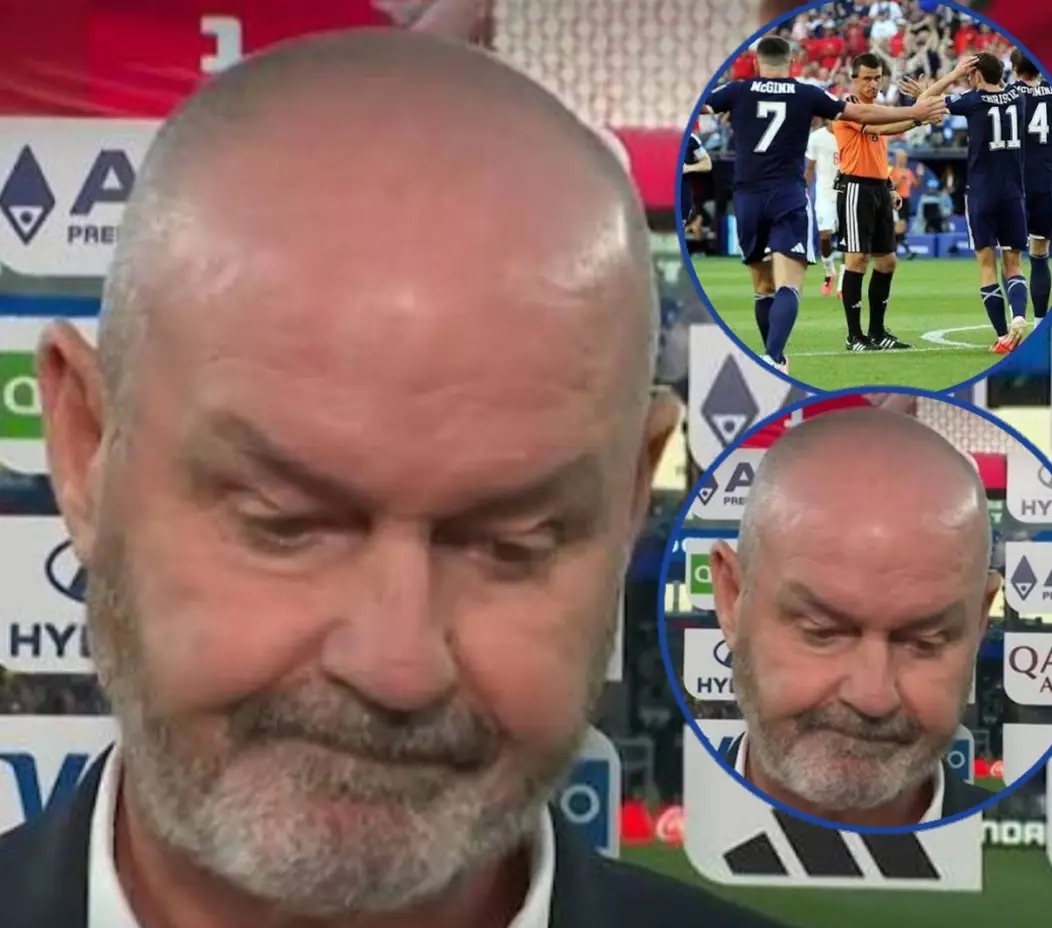
At the centre of the storm was Scotland head coach Steve Clarke, whose post-match reaction made headlines after he appeared to snub the officials at the final whistle, walking straight down the tunnel without the usual handshake exchange.
Speaking afterwards, Clarke admitted the emotional weight of the decisions played a major role in his actions.
“It’s not something I usually do,” Clarke said. “But in that moment, I was too frustrated to go through the motions. I felt we had too many big decisions go against us to just stand there and shake hands.”
He added that the penalty incidents were particularly difficult to accept given how closely contested the match was.
“We are talking about moments that change games at the highest level,” he continued. “Two penalty situations in the box, both looked strong, and nothing given. That’s hard to take when everything is on the line.”
Inside the Scotland camp, the mood was reportedly one of disbelief mixed with anger. Players felt the flow of the match had been disrupted at crucial stages, and there was a growing sense that key decisions had gone against them at decisive moments.
The performance of Morocco, however, was also widely acknowledged. Their early goal gave them a platform to control the game, and they showed tactical discipline in managing Scotland’s pressure throughout the second half. Despite Scotland’s late push, Morocco’s defensive structure held firm until the final whistle.
Still, much of the attention after the game shifted away from the result and toward the officiating. ITV referee analyst Christina Unkel suggested during live analysis that at least one of Scotland’s penalty appeals involved sufficient contact to warrant serious consideration, a comment that intensified debate among fans and pundits.
The controversy also extended to the Che Adams incident, with many Scotland supporters and analysts arguing that the challenge on the striker should have resulted in a red card. The decision to show only a yellow, upheld by VAR, became another flashpoint in an already heated discussion about consistency in refereeing.
Clarke, while clearly frustrated, was careful not to dismiss Morocco’s performance entirely. However, his focus remained on the key moments that he felt swung the game unfairly.
“We don’t ask for anything more than fairness,” Clarke said. “If those decisions are given, the game changes completely. That’s what makes it so difficult for the players to accept right now.”
The defeat leaves Scotland in a difficult position in Group C, with little room for error in their remaining fixtures. The margin for progression is now slimmer, and Clarke will need to regroup his squad quickly ahead of their next challenge.
For Morocco, the win strengthens their position in the group and reinforces their reputation as a disciplined and resilient side capable of grinding out results under pressure. Their early goal proved decisive, and their ability to withstand Scotland’s pressure in the second half was crucial to securing all three points.
Yet despite Morocco’s achievement, the narrative of the night remains firmly focused on Scotland’s grievances and Clarke’s emotional reaction at full-time.
As the debate continues to grow across football circles, one question lingers: whether the technology designed to bring clarity to the game is instead adding another layer of confusion in football’s biggest moments.
For Scotland and Steve Clarke, the pain of defeat is made even harder to swallow by the feeling that key moments were decided elsewhere—far from the pitch where they fought until the final whistle.


 admin
admin