 admin
admin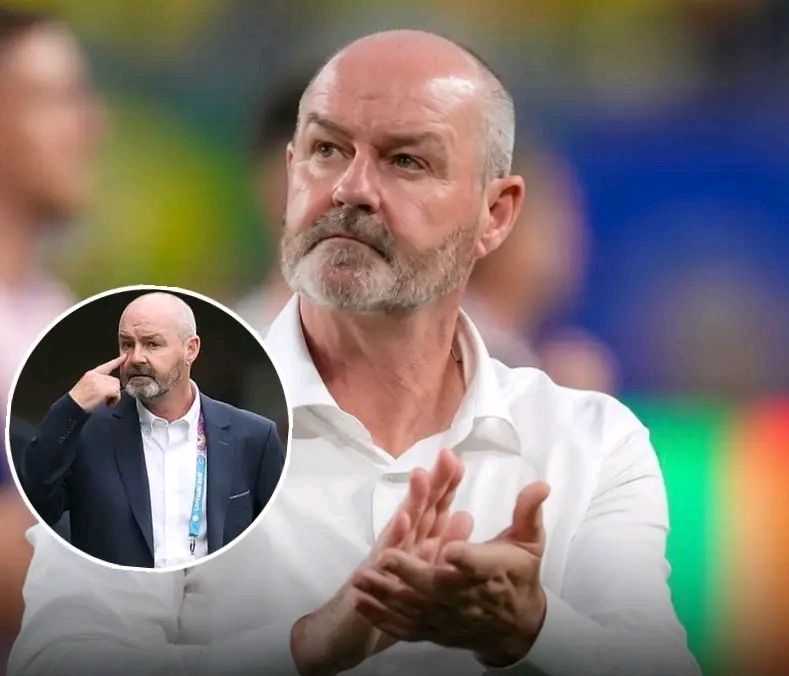
STEVE CLARKE IN TALKS FOR IMMEDIATE NEW MANAGERIAL JOB AFTER LEAVING SCOTLAND
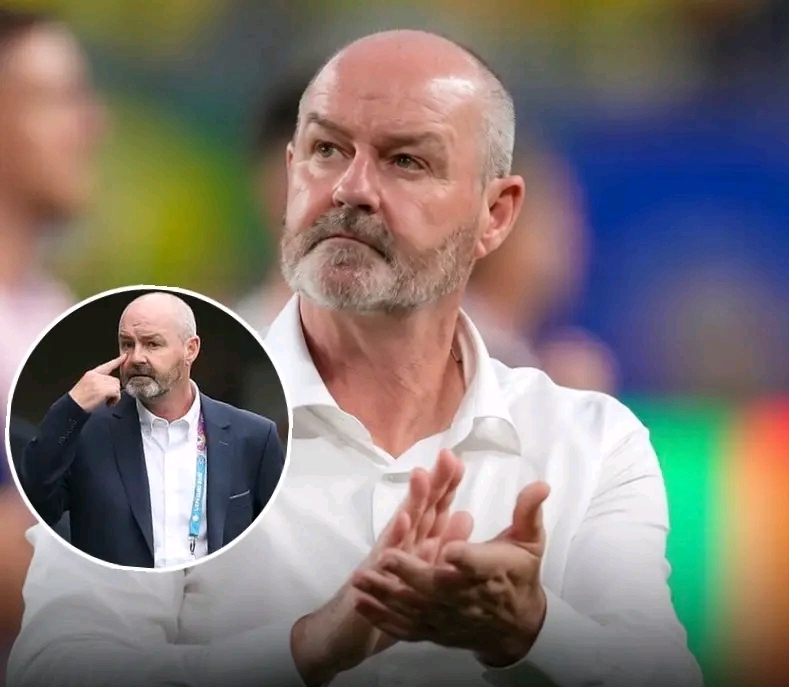
Just days after stepping down as Scotland head coach following the nation’s disappointing exit from the 2026 FIFA World Cup, Steve Clarke is already being linked with an immediate return to management, with reports suggesting that experienced football figures have made contact regarding his availability.
The 62-year-old ended his seven-year spell in charge of Scotland after the national side failed to progress beyond the World Cup group stage, bringing to a close one of the most significant managerial eras in the country’s modern football history. Although Clarke had only recently signed a contract extension that would have kept him in charge until 2030, he chose to resign, insisting it was the right moment to leave after falling short of the targets he had set for himself and the team. (The Guardian)
Now, attention has quickly shifted toward what comes next for one of Britain’s most respected football coaches.
Fresh Interest Emerging
Sources close to the situation suggest Clarke has already attracted interest from clubs and football organizations looking to appoint an experienced manager capable of delivering immediate stability and long-term success.
While no official offer has yet been confirmed publicly, insiders believe Clarke’s availability has prompted several potential employers to consider accelerating their managerial plans.
His extensive experience across club and international football makes him an attractive candidate for teams seeking a proven leader.
Unlike many managers leaving international football, Clarke has repeatedly demonstrated his ability to rebuild struggling teams while developing competitive squads capable of exceeding expectations.
His reputation for organization, tactical discipline and player management remains exceptionally strong despite Scotland’s World Cup disappointment.
Why Clarke Remains Highly Regarded
Although Scotland’s campaign ended earlier than supporters had hoped, Clarke’s overall legacy remains impressive.
When he accepted the Scotland job in 2019, the national team had endured more than two decades without qualifying for a major tournament.
Under his leadership, Scotland qualified for consecutive European Championships before ending a 28-year absence from the FIFA World Cup.
Those achievements fundamentally changed expectations surrounding Scottish football.
His tenure included memorable victories against several top European nations while helping establish a new generation of international players.
For many observers, the disappointment of the 2026 World Cup does not erase the progress made during his seven years in charge.
Instead, Clarke leaves having restored belief within Scottish football and providing a platform for whoever succeeds him. (The Guardian)
Clarke Explains His Decision
Speaking after announcing his resignation, Clarke admitted the decision was far easier than many people imagined.
The former Chelsea defender revealed he had already decided that failure to achieve Scotland’s World Cup objectives would signal the end of his time in charge.
He explained that progressing beyond the group stage would likely have persuaded him to remain in the role, but once Scotland fell short, he believed it was the appropriate moment to step aside.
Clarke described managing Scotland as the pinnacle of his coaching career and insisted he leaves with immense pride despite the disappointing conclusion.
He also praised his players, coaching staff and the famous Tartan Army for their unwavering support throughout his tenure. (The Guardian)
Club Football Could Be Calling Again
Many football analysts believe Clarke’s next destination is likely to be club management.
His previous successes with clubs demonstrate an ability to transform struggling sides into disciplined, competitive teams.
Before taking charge of Scotland, Clarke enjoyed remarkable success with Kilmarnock, leading the club to one of the finest seasons in its modern history while earning widespread recognition as one of Britain’s elite coaches.
Earlier in his career, he also managed West Bromwich Albion and Reading while serving as assistant to some of football’s biggest names, including José Mourinho during successful periods at Chelsea.
Those experiences have helped shape a coaching philosophy built around defensive structure, tactical intelligence and strong dressing-room leadership.
For clubs searching for stability after disappointing campaigns, Clarke represents a low-risk appointment with a proven record.
Overseas Opportunities Cannot Be Ruled Out
Although much speculation has focused on clubs in Britain, opportunities abroad cannot be dismissed.
Modern football increasingly values experienced managers capable of handling pressure and rebuilding competitive squads.
Clarke’s international experience, combined with his Premier League coaching background, gives him credentials that extend well beyond the United Kingdom.
Several leagues across Europe and the Middle East continue to recruit experienced British coaches capable of developing players while delivering immediate improvements in results.
If the right project emerges, Clarke may be open to taking on a fresh challenge outside Scotland.
Scotland Begin Search for Successor
As Clarke considers his next move, the Scottish Football Association faces the difficult task of replacing the manager who transformed the national team.
Several names have already been linked with the position, including experienced Scottish coaches and high-profile international candidates.
Among those mentioned by commentators are Ange Postecoglou, David Moyes, Alex Neil and Steven Naismith, although no appointment has been announced. (Talksport)
Finding a manager capable of maintaining Scotland’s recent progress while preparing for Euro 2028 represents a significant challenge.
Whoever takes over will inherit a squad containing established internationals alongside several exciting younger players.
Clarke’s Management Style
One reason Clarke continues to attract admiration throughout football is his calm, measured leadership.
Unlike many modern managers who dominate headlines with outspoken comments, Clarke has built his reputation through preparation, discipline and consistency.
Players regularly praise his honesty, communication and ability to create strong dressing-room environments.
His tactical approach emphasizes defensive organization, intelligent positioning and collective responsibility rather than relying solely on individual brilliance.
While critics occasionally questioned Scotland’s attacking ambition during major tournaments, few disputed Clarke’s ability to maximize available resources.
That reputation is likely to remain attractive for clubs seeking immediate improvements without undertaking expensive squad overhauls.
A Wealth of Experience
Clarke’s coaching résumé ranks among the strongest of any currently available British manager.
After enjoying an accomplished playing career, he worked alongside some of football’s finest coaches before stepping into management himself.
His years as assistant manager at Chelsea exposed him to elite-level football, winning major domestic and European honours.
He later built successful managerial careers at Kilmarnock and Scotland while earning widespread respect throughout the game.
Such experience provides reassurance for potential employers seeking someone capable of handling pressure, media scrutiny and demanding expectations.
What Kind of Job Fits Clarke Best?
The next appointment will likely depend on Clarke’s own ambitions.
He may prefer a long-term rebuilding project where patience is available and young players can be developed.
Equally, he could appeal to ambitious Championship or Premier League clubs searching for a manager capable of delivering immediate defensive improvement.
International football also remains an option should another national association seek an experienced tournament coach.
Given his achievements with Scotland, Clarke would undoubtedly attract interest from federations looking to establish stability ahead of future qualification campaigns.
Timing Could Work in His Favour
Managerial vacancies often increase during the summer, making Clarke’s availability particularly significant.
Clubs beginning pre-season preparations may prefer appointing an experienced coach before competitive fixtures begin.
His immediate availability removes concerns over compensation negotiations, allowing interested parties to move quickly if they choose to pursue him.
Football moves rapidly, and experienced managers rarely remain unemployed for long.
With Clarke now officially available, speculation surrounding his future is expected to intensify over the coming weeks.
Legacy Intact Despite Difficult Ending
Although the World Cup ended in disappointment, Clarke’s contribution to Scottish football will not be judged solely by one tournament.
He restored credibility to the national team, ended years of major tournament absence and helped establish a culture of consistent qualification.
Many supporters who witnessed Scotland return to the international stage under his leadership will remember his tenure fondly.
Those accomplishments ensure his reputation remains intact despite an emotional conclusion.
As football inevitably turns its attention toward the next managerial appointment, Clarke himself appears ready for a fresh challenge.
Whether that opportunity arrives in England, Scotland or overseas, the experienced coach is unlikely to remain without work for long.
For now, discussions continue behind the scenes, and while no agreement has been finalized, Steve Clarke’s next chapter may begin far sooner than many expected. If the reported interest develops into a formal appointment, one of British football’s most respected managers could be back in the dugout almost immediately after leaving the Scotland national team.


 admin
admin