 admin
admin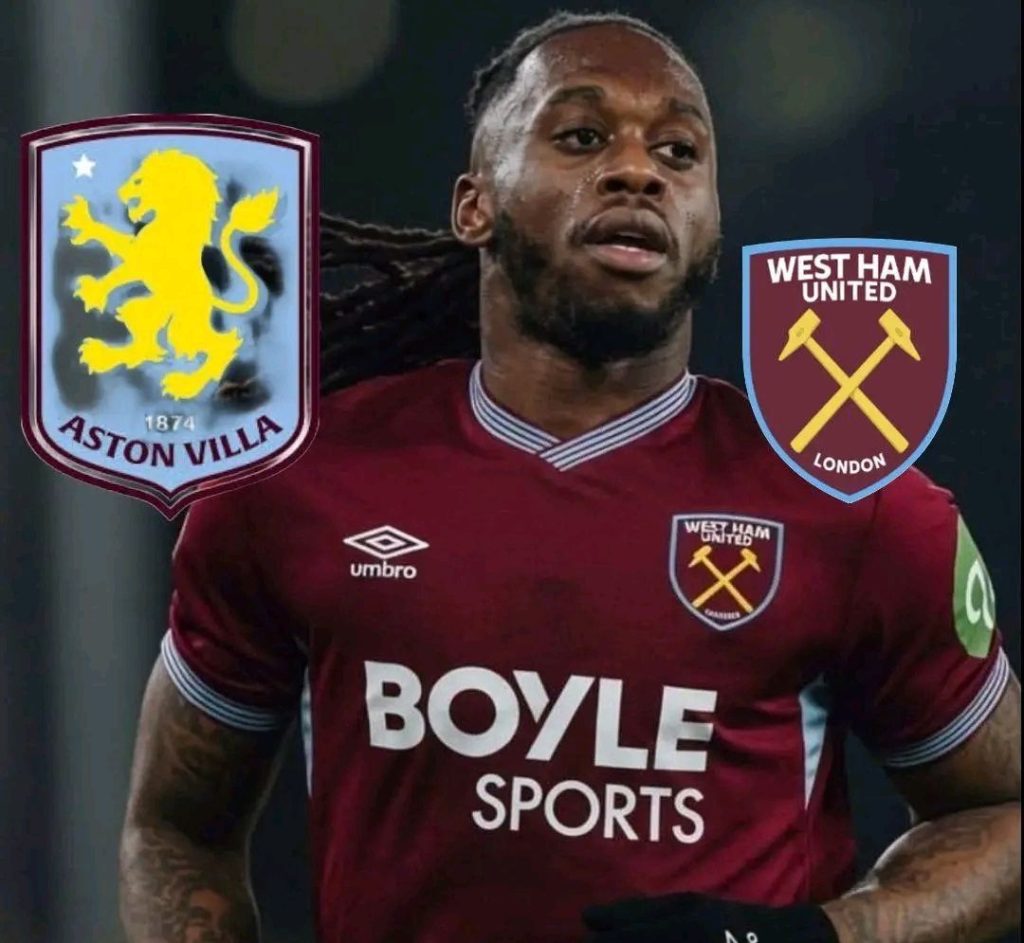
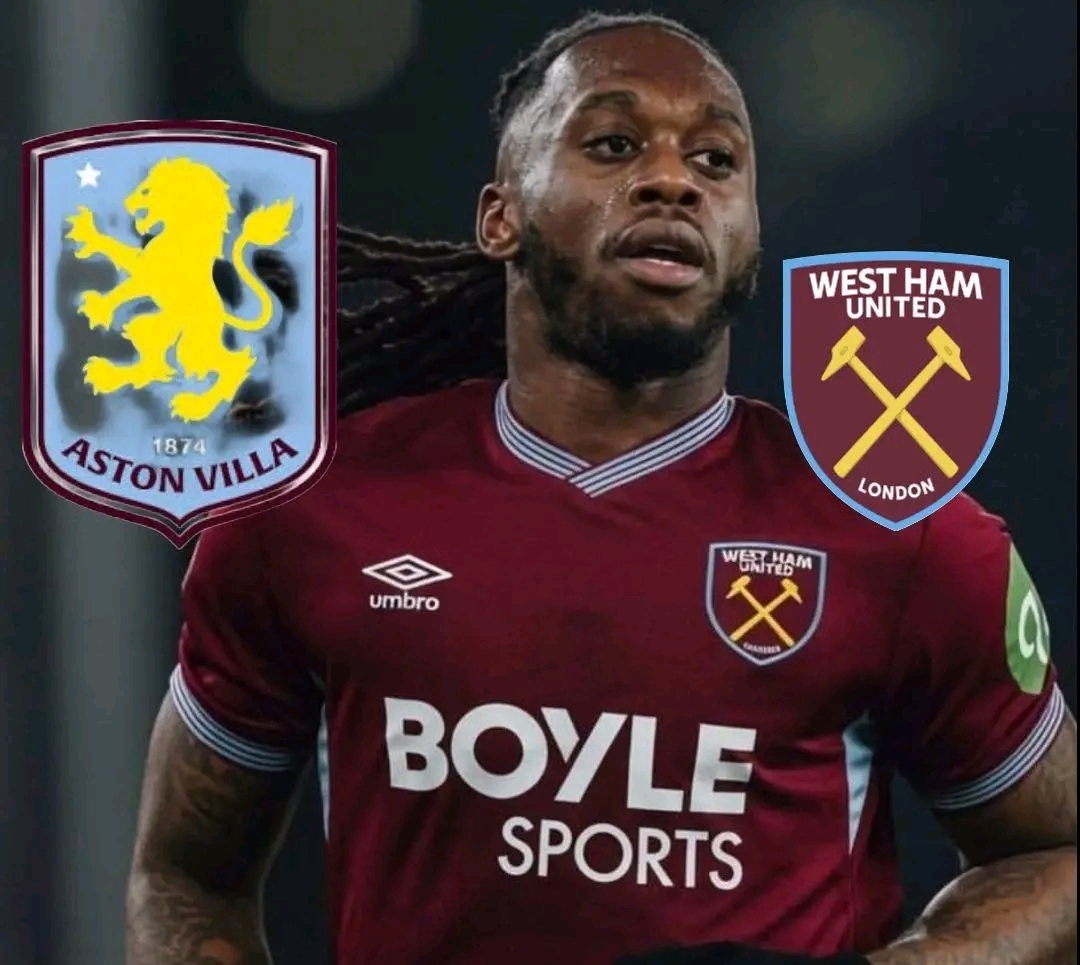
Aston Villa’s Pursuit of Aaron Wan-Bissaka: The Quiet Momentum That Caught the Premier League Off Guard
Aston Villa’s Pursuit of Aaron Wan-Bissaka: The Quiet Momentum That Caught the Premier League Off Guard
As of mid-August 2026, Aston Villa have not issued an official confirmation of Aaron Wan-Bissaka’s permanent signing. What has emerged instead is a rapid escalation of interest and concrete progress that few predicted would reach this stage so quickly.
Exploratory talks with West Ham United, reported personal-terms agreement in principle, and ongoing fee negotiations around the £20-25 million mark have turned a speculative link into one of the more intriguing stories of the summer window. For a player who left Manchester United for West Ham only two years earlier and then suffered relegation, the prospect of a return to the Premier League with Unai Emery’s ambitious Villa side feels both logical and unexpectedly advanced.
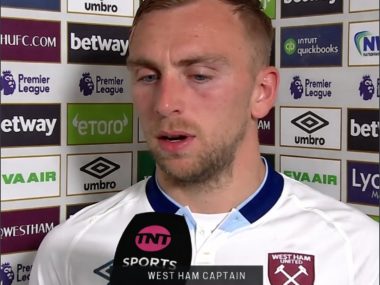
The sequence began in earnest around 12 August 2026 when The Athletic reported that Villa had held exploratory discussions with West Ham over the 28-year-old right-back. West Ham, newly relegated to the Championship after finishing 18th the previous season, valued their former Manchester United defender at approximately £25 million.
That figure represented a substantial uplift on the £15 million they paid United in August 2024 for a player then entering the final year of his Old Trafford contract. Wan-Bissaka had signed a seven-year deal keeping him at the London Stadium until 2031, yet relegation changed the financial calculus. Higher wages and the need to balance books in the second tier made sales of Premier League-proven players attractive.
Villa identified the right-back position as a clear priority. Matty Cash has been the established starter, but competition and depth were required, especially with the club competing on multiple fronts after a strong recent campaign that included European involvement. Earlier targets, including Emerson Royal, had not materialised. Kosta Nedeljkovic, another right-back option at the club, attracted interest from Rangers and was later the subject of a loan agreement with a buy option. Against that backdrop, Wan-Bissaka’s availability became timely
Subsequent reporting accelerated the narrative. By 14 August, outlets indicated that Wan-Bissaka had reached an agreement in principle on personal terms with Villa, with club-to-club talks continuing over the precise fee, widely expected to settle somewhere between £20 million and £25 million. His strong performances for DR Congo at the 2026 World Cup—starting all four matches, including a draw with Portugal and a competitive showing against England before a round-of-32 exit—had reminded scouts of his one-on-one defensive quality and athleticism. For a player who had made 65 appearances across two seasons at West Ham and previously 190 for Manchester United (winning the League Cup and FA Cup), the chance to return to the top flight held obvious appeal.
What has surprised many observers is the speed and seriousness of Villa’s interest. Wan-Bissaka’s career path has been marked by high expectations followed by periods of fluctuation. Signed by Manchester United from Crystal Palace in 2019 for an initial £45 million (potentially rising to £50 million), he arrived as one of the most expensive uncapped English defenders of his generation and quickly established himself as a reliable, if sometimes limited, full-back. Defensive solidity and recovery pace were his trademarks; progressive passing and attacking output were less consistent. Under successive managers he remained a squad regular without ever becoming an undisputed first choice in the most attacking systems. The move to West Ham in 2024 offered a fresh start and regular minutes, yet the Hammers’ eventual relegation left him seeking a route back to the Premier League.
Villa’s interest fits a broader pattern under Unai Emery and the club’s recruitment team. After major sales—including Morgan Rogers to Chelsea for a British-record fee between Premier League clubs—and other departures, the club has been active in rebalancing the squad. Signings such as Alejandro Garnacho on loan, João Gomes, and Johan Manzambi have added quality and youth. Full-back reinforcements have been a specific focus, with Matteo Ruggeri’s move from Atlético Madrid progressing in parallel and Zion Suzuki’s goalkeeping arrival also advancing. In that context, adding a proven Premier League right-back with World Cup experience represents pragmatic squad-building rather than a marquee splash. Yet the specific choice of Wan-Bissaka still carried an element of surprise for sections of the fanbase and wider media, given the fee discussions and the player’s recent Championship association.
Tactically, the fit is clear. Emery demands intensity, positional discipline, and the ability to defend transitions. Wan-Bissaka’s recovery speed, tackle success rate in one-versus-one situations, and experience against elite attackers make him a natural candidate to compete with or complement Cash. His ability to operate in a back four or occasionally as part of a more fluid defensive shape aligns with the Spanish manager’s flexible systems. At 28 he is entering what should be his prime years, offering a balance of experience and remaining peak physicality that a younger, unproven option might lack.
From West Ham’s perspective the sale, if completed, would represent sensible business. Relegated clubs often struggle to retain Premier League talent at previous wage levels. Realising a profit on a player signed for £15 million two years earlier, while freeing wage space, helps the transition to the Championship. Wan-Bissaka’s long contract provided leverage, yet his desire to remain in the top flight created mutual interest in a resolution.
The wider transfer window context amplifies the story. With the Premier League season approaching and the window still open until early September, clubs are finalising squads under financial constraints shaped by Profit and Sustainability Rules. Villa’s ability to generate significant transfer income earlier in the summer has given them room to act. Concurrent interest from other clubs, including reported Arsenal links at various stages, has kept the narrative competitive, yet Villa appear to have positioned themselves strongly through personal-terms progress.
Fan reaction has been mixed but engaged. Some Villa supporters have questioned the valuation relative to Cash’s established role or preferred younger, more attacking full-backs. Others have welcomed the addition of a solid, experienced defender who can provide immediate competition and squad depth for a campaign that may again involve European football. On social media the links have generated the usual mixture of excitement, scepticism, and memes, including observations about Villa’s recent recruitment of former Manchester United players. West Ham fans, meanwhile, have largely accepted the commercial logic of a sale while regretting the loss of a reliable performer.
Wan-Bissaka’s international form has been an important subplot. Switching allegiance to DR Congo and featuring prominently at the World Cup revived his profile after a mixed club season. Scouts and coaches value players who can raise their level on the biggest stage; starting against strong opposition and contributing to a competitive campaign demonstrated that capacity. For Villa, who have shown willingness to recruit players with recent international pedigree, that performance provided reassurance.
Looking ahead, completion of any deal would still require final agreement on fee structure, medical, and paperwork. Reports as recent as 18 August indicated Villa were continuing to work on the move even as other business—Ruggeri, Suzuki, and the resolution of Emiliano Martínez’s situation—occupied headlines. The absence of a formal club announcement does not diminish the significance of the progress made. In modern transfer culture, “agreement in principle” on personal terms often precedes the final club-to-club resolution by days or a short period, particularly when both sides see mutual benefit.
If the transfer is finalised, it will mark another chapter in a career that has already spanned Crystal Palace, Manchester United, West Ham, and potentially Aston Villa. From academy prospect to expensive Premier League signing, cup winner, relegated player seeking a return, and now a target for a club with genuine European and domestic ambitions, Wan-Bissaka’s path illustrates both the volatility and opportunity of elite football. For Villa, it would represent another step in methodical squad construction under Emery: addressing a specific positional need with a player whose defensive attributes match the demands of the system.
The element of surprise lies less in the logic of the move and more in how quickly and seriously it has developed. Few expected Wan-Bissaka to be close to a Premier League return so soon after relegation, or for Villa to move so decisively on a player with a £25 million valuation attached. Whether the deal reaches the formal announcement stage in the coming days or weeks remains to be confirmed by the clubs. What is already clear is that the discussions have progressed further and faster than many anticipated, turning a speculative link into a live and substantive pursuit that has become one of the more closely watched stories of the late-summer window.
In the broader landscape of Premier League recruitment, the episode also highlights how relegation can accelerate player movement and create value opportunities for clubs with available funds and clear positional needs. Villa’s willingness to engage, the player’s openness to the project, and West Ham’s pragmatic stance have aligned sufficiently to generate genuine momentum. For supporters of all three clubs, and for neutral observers of the transfer market, the coming days will reveal whether that momentum converts into a completed signing and the official confirmation that would turn weeks of reporting into a concrete addition to Unai Emery’s squad.
Until then, the story remains one of advanced talks, personal terms progress, and a potential Premier League return that has developed with more substance and less fanfare than the most dramatic summer headlines. In a window defined by high-profile sales and strategic reinvestments, Aaron Wan-Bissaka’s possible move to Villa Park stands as a reminder that significant deals can still emerge from quieter, more methodical negotiations.

 admin
admin