 admin
Cesar Peixoto Demands Answers as Wolves Fall to West Ham in Controversial 4-2 Championship Defeat
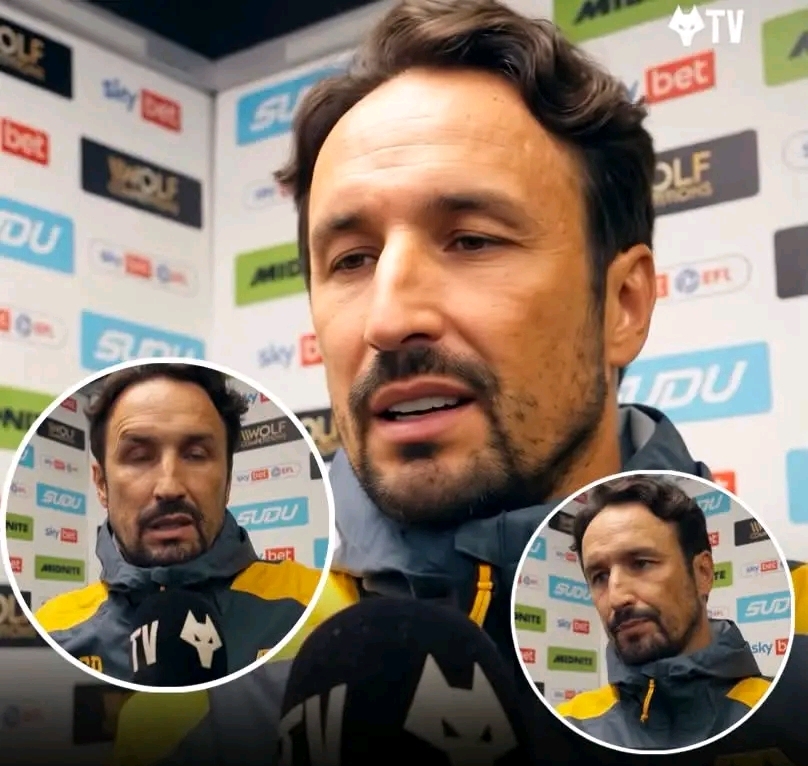
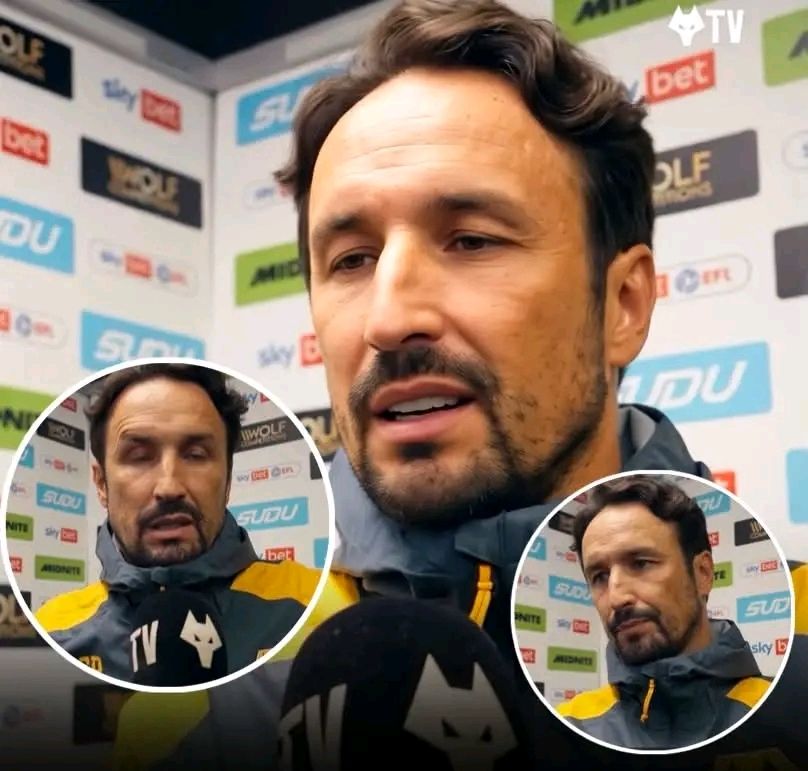
Cesar Peixoto has called for answers after Wolverhampton Wanderers suffered a controversial 4-2 defeat to West Ham United at the London Stadium, with the Wolves head coach left frustrated by a series of key moments that he felt went against his side.
The result brought Peixoto’s unbeaten start as Wolves manager to an end, but the Portuguese coach insisted the scoreline failed to reflect the balance of a contest in which his team created numerous opportunities and, for significant periods, controlled possession.
West Ham, meanwhile, produced the ruthless finishing that Wolves lacked. Divine Mukasa scored twice, while Jarrod Bowen converted a penalty and Konstantinos Mavropanos added a fourth before later scoring an own goal.
Marshall Munetsi had earlier given Wolves hope, but Peixoto’s side could not turn their territorial advantage into enough goals.
The defeat was particularly frustrating for Wolves because they began the evening brightly and twice struck the woodwork during a first half in which they appeared capable of taking control.
Peixoto’s central complaint, however, concerned West Ham’s fourth goal.
Mavropanos initially headed a corner against the crossbar before reacting quickest to the rebound and firing the ball home. Peixoto believed goalkeeper José Sá had been prevented from challenging for the ball because of an obstruction at the set piece.
The Wolves manager pointed to instructions given to clubs by referees before the Championship season and questioned why the incident had not been punished.
“We had a meeting with the referees before the start of the season here in London and they told us that blocking the goalkeeper at corners would be a foul this season,” Peixoto said after the match. “Tonight, I felt their player blocked our goalkeeper for the fourth goal and stopped him from getting to the ball.”
His frustration was evident because the decision came at a crucial stage. Wolves had already fallen 3-1 behind following Mukasa’s second goal, and the fourth West Ham goal appeared to put the contest beyond the visitors.
For Peixoto, the issue was not simply the individual decision but the apparent inconsistency between the guidance provided to teams before the campaign and what happened on the pitch.
That is likely to fuel further discussion around the officiating of the match and whether the relevant football authorities should provide greater clarity on how goalkeeper interference at corners is being judged.
The defeat itself, however, cannot be attributed solely to the controversial decision.
West Ham demonstrated a level of efficiency that Wolves could not match.
The hosts had been under pressure early on, with Wolves threatening through Fer López and Raul Jiménez. Jiménez was presented with a promising opportunity after being found in space by Jackson Tchatchoua, while Wolves twice struck the crossbar in quick succession.
First, Jiménez met a Mateus Mané corner and sent his volley into the ground and onto the top of the bar. Moments later, another dangerous Wolves attack ended with Mané striking the woodwork after a Tchatchoua cross had caused problems for the West Ham defence.
Those misses proved costly.
Against the run of play, Mukasa opened the scoring in the 33rd minute with a superb 25-yard strike that flew in off the underside of the crossbar.
The goal changed the atmosphere inside the London Stadium and gave West Ham the confidence to become more aggressive.
The hosts then doubled their advantage shortly before half-time when Bowen converted from the penalty spot after Joel Piroe had been brought down inside the Wolves penalty area by André.
Wolves, to their credit, responded immediately.
Munetsi reduced the deficit before the interval, turning his marker and placing a composed finish into the bottom corner. At 2-1, the visitors remained firmly in the contest and had reason to believe they could complete a comeback.
Peixoto’s team continued to show attacking intent after the restart, but West Ham once again demonstrated their ability to punish defensive errors and moments of misfortune.
Mukasa scored his second in the 53rd minute when his shot took a wicked deflection off Nasser Djiga, looping over the backpedalling Sá.
It was another painful moment for Wolves. They had not been overwhelmed territorially, but West Ham were repeatedly finding ways to turn their opportunities into goals.
The fourth goal followed soon afterwards, with Mavropanos reacting quickest after his initial header struck the bar.
At 4-1, the match appeared to be slipping away.
Yet Wolves continued to attack.
Jordan James and Tommy Doyle were introduced as Peixoto attempted to change the momentum, and the visitors were rewarded when Mavropanos turned a Tchatchoua cross into his own net under pressure from James.
The own goal reduced the deficit to two and offered Wolves a final opportunity to produce an extraordinary comeback.
They continued pushing during the closing stages, but West Ham defended their advantage and secured their first Championship victory of the season.
For Peixoto, the most important message was that the performance should not be judged solely by the final score.
“It’s an unfair result because we created a lot of chances,” he said. “West Ham were more clinical when they got into our box.”
That assessment is supported by the flow of the match. Wolves had periods of sustained possession, created opportunities and twice hit the woodwork before West Ham opened the scoring.
But football at this level is frequently decided by the quality of the moments inside both penalty areas.
West Ham finished those moments better.
Mukasa’s performance was the clearest example. The 19-year-old midfielder, on loan from Manchester City, scored two goals and provided West Ham with a cutting edge that had been missing during their difficult opening weeks.
His first was a spectacular long-range effort. His second owed something to fortune, but both ultimately counted the same on the scoreboard.
Bowen’s penalty and Mavropanos’ first goal further demonstrated West Ham’s ability to capitalise when opportunities appeared.
Wolves, by contrast, were left to reflect on the chances they had failed to take.
The defeat is also significant because of Peixoto’s impressive start to life at Molineux.
The new head coach had overseen three victories in all competitions before the trip to east London, including a convincing 4-1 victory over Stoke City. Wolves had begun to establish an identity built around possession, aggression and attacking bravery.
That identity did not disappear at West Ham.
Indeed, Peixoto was keen to stress that he saw enough from his players to believe the result was an isolated setback rather than a sign of deeper problems.
“I don’t have any doubts about that,” he said when discussing his belief that Wolves will win more matches than they lose if they continue performing in the same manner.
The challenge now is ensuring that belief translates into results.
The Championship is unforgiving, particularly for clubs carrying the expectations that surround Wolves and West Ham following their relegation from the Premier League.
Every dropped point will attract scrutiny, and every controversial decision will be analysed closely.
For Wolves, the immediate concern is not to allow frustration over the refereeing decisions to overshadow the lessons from the defeat.
There were defensive moments that require improvement. Peixoto himself acknowledged that his team could have managed certain phases of the match better and admitted that Wolves needed to be more prepared to interrupt West Ham’s momentum.
At the same time, the head coach is entitled to seek clarification over decisions that appear inconsistent with the guidance provided to clubs.
The fourth goal will therefore remain a talking point.
If the authorities are serious about creating consistency in the way goalkeeper obstruction is interpreted, Peixoto’s concerns should receive a clear response. Coaches and players need to know where the line is, particularly at set pieces where small decisions can have enormous consequences.
For Wolves, though, the bigger picture remains relatively positive despite the disappointment.
They have suffered their first defeat of the campaign, but their attacking football remains evident, their players continue to show confidence and Peixoto has already established a clear philosophy.
The defeat also provided a reminder of the difference between playing well and winning.
Wolves may feel they deserved more from the match, but West Ham were more clinical when the decisive moments arrived.
That is ultimately why the scoreline reads 4-2.
The controversy surrounding the fourth goal will continue to generate debate, and Peixoto’s calls for clarity are unlikely to disappear immediately. But Wolves must now turn their attention towards the response.
A strong reaction in their next Championship fixture would provide the most convincing answer of all.
Peixoto has already made it clear that he does not intend to abandon the footballing identity he has introduced at Molineux. His team showed enough at the London Stadium to suggest that the defeat was not a collapse of that approach, but rather a harsh lesson in the importance of finishing chances and managing critical moments.
West Ham took theirs.
Wolves did not.
And while Peixoto believes the 4-2 scoreline was unfair, the defeat leaves him with two priorities: demanding greater consistency from those responsible for officiating the game, and ensuring his own players become ruthless enough to prevent similar disappointments.
For a Wolves side with ambitions of challenging at the top of the Championship, both questions will matter enormously.


 admin