 admin
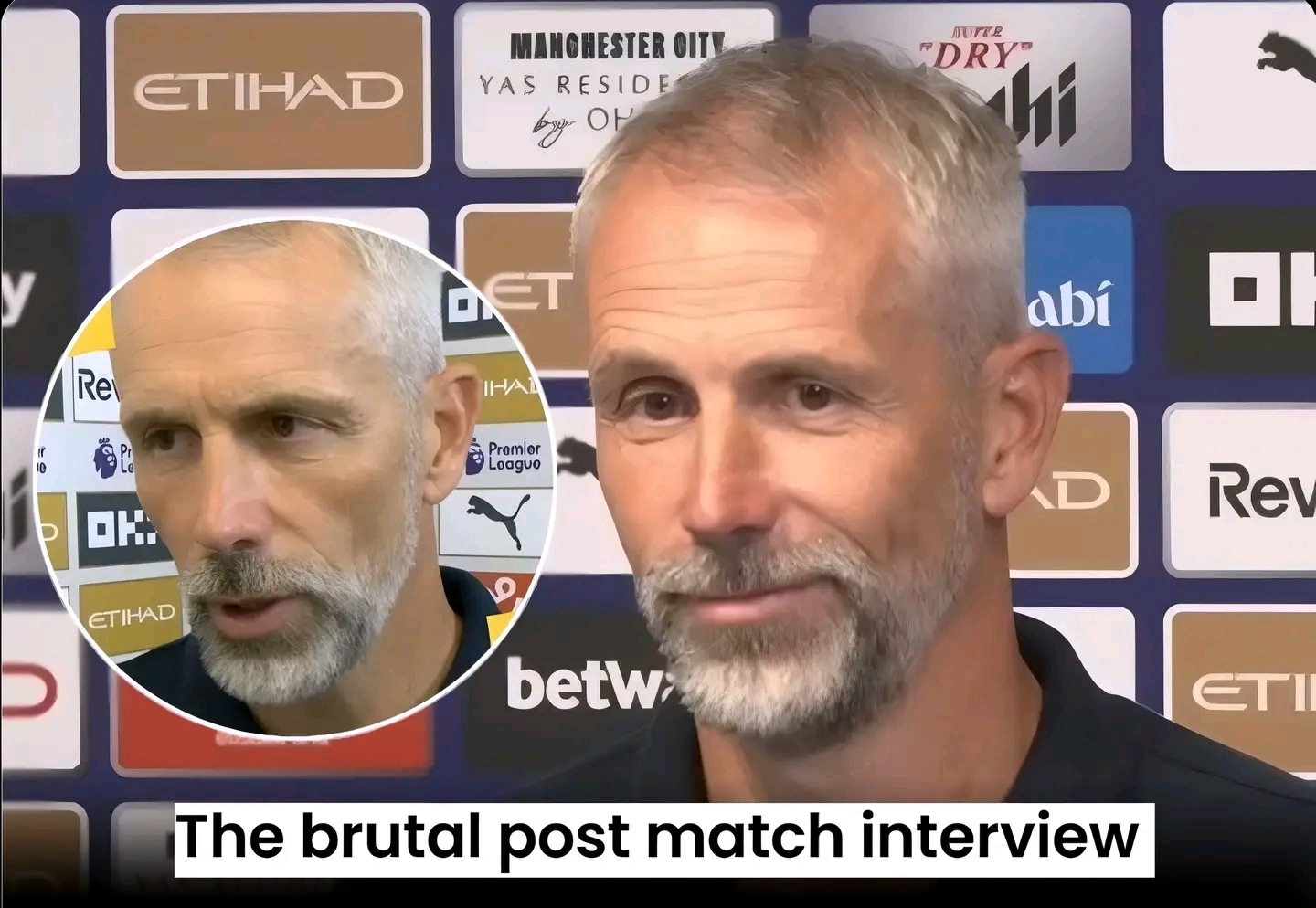
BOURNEMOUTH COACH DEMANDS NEWCASTLE BE BANNED FOR PREMIER LEAGUE AFTER REVEALING CHEATING FOLLOWING LATE DRAW DRAMA
The 2–2 draw between Newcastle United and Bournemouth at St James’ Park delivered exactly the kind of Premier League drama that can leave supporters talking long after the final whistle.
Bournemouth appeared to have the match under control after establishing a two-goal advantage, but Newcastle produced a remarkable late response to rescue a point.
The result itself was dramatic, but the bigger talking point is the frustration surrounding the closing stages of the contest.
For Bournemouth, this was another painful example of a match that appeared to be heading towards victory before slipping away.
Marcus Tavernier helped Bournemouth take the lead before a Malick Thiaw own goal doubled their advantage.
Newcastle responded before half-time through Harvey Barnes, whose excellent finish gave the home side renewed belief.
The pressure continued after the break, and Bournemouth eventually saw their advantage disappear when substitute Jacob Ramsey found the net late in the match.
The equaliser came after a chaotic sequence inside the Bournemouth penalty area, with the ball falling kindly for Ramsey to finish.
That moment transformed the atmosphere at St James’ Park.
For Newcastle, it was a display of resilience.
For Bournemouth, it was another painful late collapse.
Reports of the match indicate that Bournemouth have now suffered another frustrating result after failing to protect a lead late in a Premier League game.
That context is important because accusations of cheating are extremely serious.
Football is full of controversial moments, questionable challenges, disputed decisions and incidents that supporters interpret differently.
But frustration alone does not establish wrongdoing.
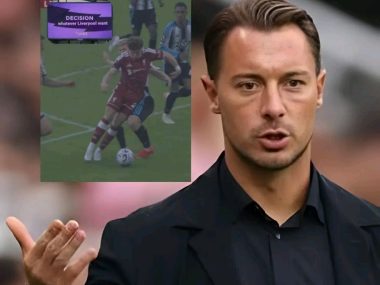
If a Bournemouth coach or member of the coaching staff believes Newcastle benefited from an improper decision, the appropriate response would be to identify the specific incident, explain why it was wrong and ask the relevant authorities to review it.
That is very different from simply declaring that a club should be banned from the Premier League.
A Premier League ban would require an extremely serious breach of competition rules and an appropriate disciplinary process.
It cannot realistically be imposed simply because one team believes another team benefited from controversial circumstances.
This is where football needs honesty.
Managers and coaches have every right to challenge refereeing decisions.
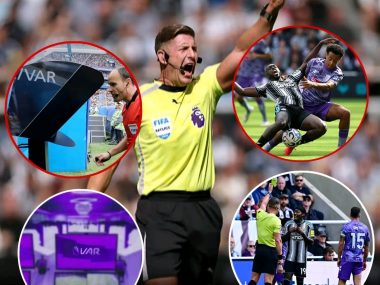
They have every right to question VAR.
They have every right to demand explanations when they believe their team has been treated unfairly.
But those concerns should be supported by evidence.
The late Newcastle equaliser certainly provided Bournemouth with reasons to feel devastated.
The sequence leading to Ramsey’s goal was chaotic, and Bournemouth failed to clear their lines when the opportunity presented itself.
That does not automatically mean Newcastle cheated.
Sometimes football is simply cruel.
A team can dominate for long periods, create opportunities, defend well and still concede at the worst possible moment.
Bournemouth’s problem may therefore be less about Newcastle and more about their own inability to close matches out.
They had built a two-goal lead at St James’ Park.
They had created a position from which three points were within reach.
Yet Newcastle kept attacking and eventually found a way through.
That should be a major lesson for Bournemouth.
At the highest level, concentration cannot disappear simply because a team is leading.
Every Premier League match demands discipline until the final whistle.
Newcastle also deserve credit for refusing to surrender.
The home supporters continued pushing their team forward, and the players responded.
Barnes gave Newcastle hope, while Ramsey completed the comeback.
That mentality could become extremely valuable as the season develops.
For Bournemouth, however, the emotional impact could be significant.
Repeatedly surrendering advantages can affect confidence.
Players begin wondering whether a lead is actually safe.
Defenders become nervous.
Midfielders drop deeper.
Attackers stop taking risks.
And suddenly the opposition senses weakness.
That psychological cycle can become more damaging than any individual mistake.
This is why the aftermath of the draw should focus not only on refereeing controversy but also on Bournemouth’s game management.
If the coaching staff believes there was cheating, they should provide evidence and allow the proper authorities to investigate.
If there was no evidence of deliberate wrongdoing, then the club must move forward and address the footballing problems that allowed Newcastle back into the game.
That distinction matters.
Premier League football depends on credibility.
Supporters deserve refereeing decisions that can be examined openly.
Players deserve protection from unfair accusations.
Clubs deserve the right to challenge decisions through established procedures.
And coaches have a responsibility to ensure that anger does not become an accusation without evidence.
The Newcastle-Bournemouth draw therefore becomes more than just another result.
It is a reminder of why football emotions can become so intense when a match changes dramatically in its final stages.
Bournemouth will look at the two points they lost.
Newcastle will celebrate the character they showed.
Supporters will debate the controversial moments.
But the most important conclusion should be simple: if there are genuine concerns about misconduct, investigate them properly.
If there is evidence, let the authorities act.
If there is no evidence, football must not turn frustration into an accusation of cheating.
The Premier League is at its best when competition is fierce but fair.
And after such a dramatic night at St James’ Park, both clubs now have an opportunity to turn the controversy into something constructive.
Newcastle can build on their resilience.
Bournemouth must learn how to protect leads.
And everyone involved must remember that football deserves passionate debate, but it also deserves honesty.


 admin