 admin
PGMOL UNDER PRESSURE AFTER CONTROVERSIAL OLD FIRM DECISION SPARKS FRESH VAR STORM
PGMOL and Scottish football officials are facing fresh scrutiny after a controversial decision during the Old Firm clash between Celtic and Rangers sparked another furious debate over VAR.
The latest incident has quickly become one of the biggest talking points surrounding the fiercely contested fixture, with supporters questioning whether the officials handled the situation correctly.
Old Firm matches are always played under an enormous spotlight, but the introduction of VAR has only intensified the scrutiny surrounding major refereeing decisions.
And this latest controversy is no different.
CONTROVERSIAL DECISION SPARKS FURY
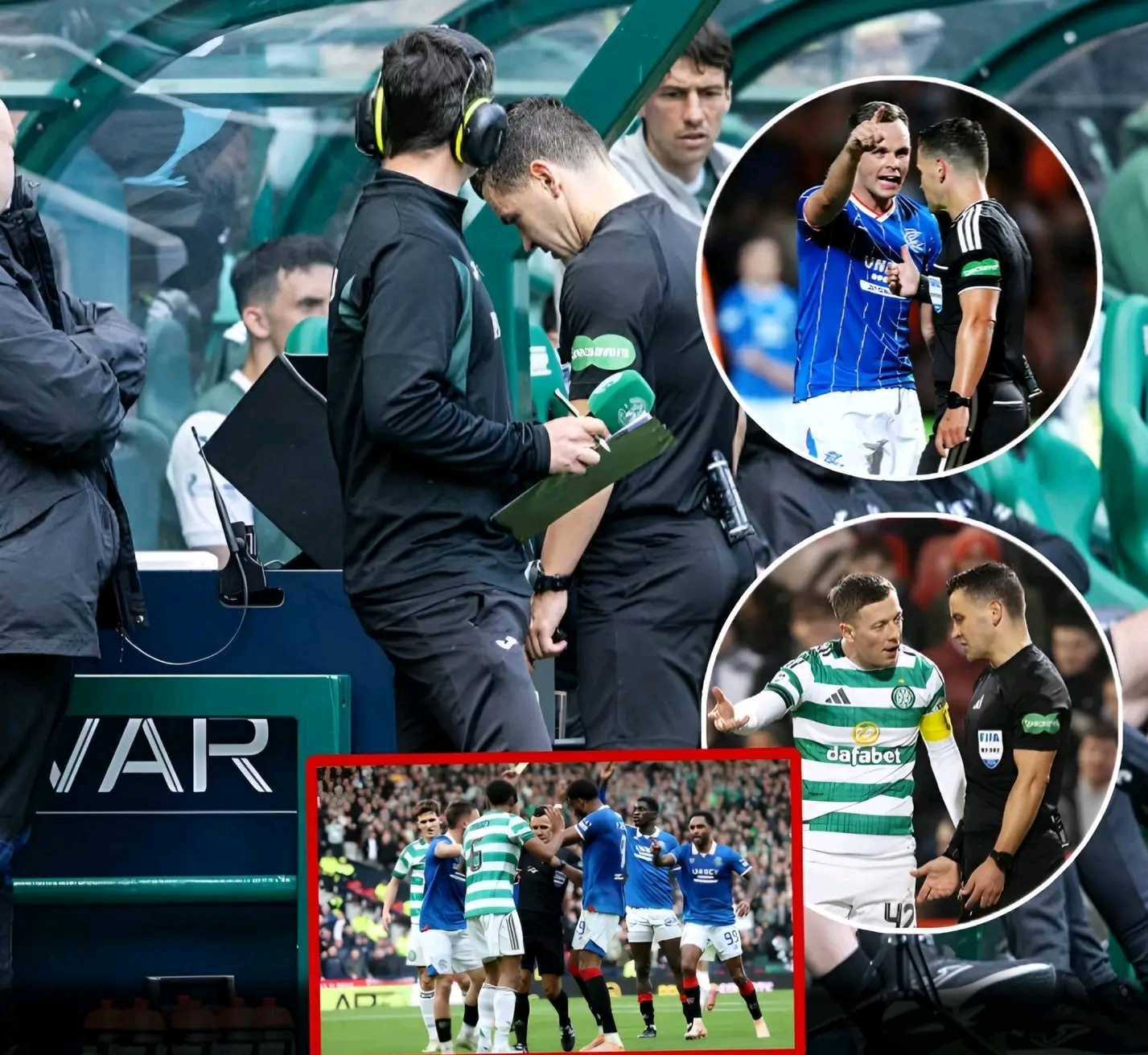
The incident occurred during an intense passage of the Celtic-Rangers encounter, with players from both sides becoming involved in a heated exchange after the referee’s decision.
Almost immediately, questions were raised about whether the correct call had been made.
Supporters watching the incident were left divided, while footage of the moment quickly began circulating online.
For many fans, the biggest frustration was not simply the original decision but the involvement—or perceived lack of involvement—of VAR.
The technology was introduced to help referees correct clear and significant mistakes, meaning supporters naturally expect potentially game-changing incidents to receive the closest possible examination.
VAR NOW AT THE CENTRE OF THE DEBATE
The latest Old Firm controversy has once again raised questions about the consistency of VAR.
There is an important distinction between a difficult subjective decision and an obvious officiating error.
VAR was never intended to eliminate every controversial decision from football. However, when supporters believe there is clear evidence that an important decision should have been reviewed, frustration can quickly turn into anger.
That is exactly what has happened following this incident.
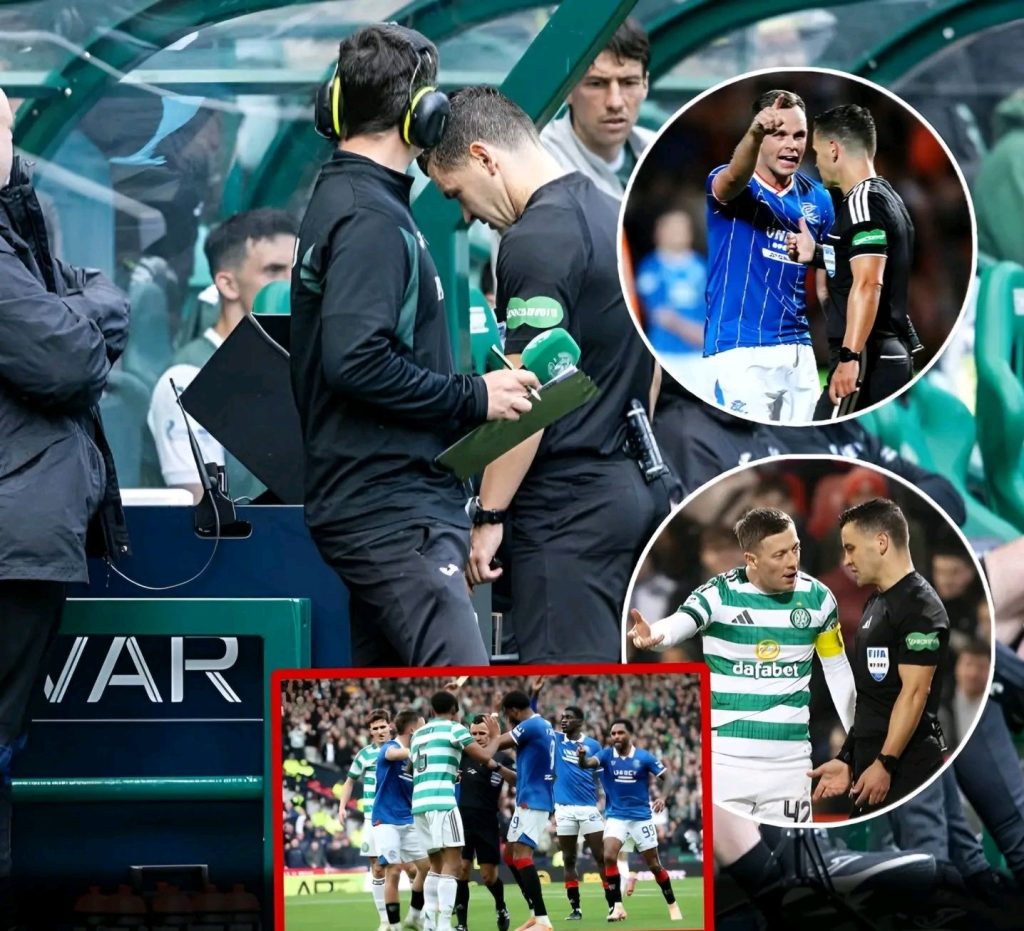
Images from the match show players from both Celtic and Rangers reacting angrily, highlighting the tension that surrounded the decision.
And because of the rivalry between the two clubs, every controversial moment is inevitably magnified.
PRESSURE NOW ON THE AUTHORITIES
With the controversy continuing to generate discussion, attention is now turning towards the relevant football authorities.
Supporters will want to know exactly why the decision was reached and whether VAR followed the correct protocol.
If officials believe the decision was correct, a clear explanation could help settle some of the debate.
If, however, an error was made, supporters will expect transparency and accountability.
That has become increasingly important in the VAR era.
Football fans do not necessarily expect referees to get every decision right. Mistakes are part of the game.
What they increasingly demand is consistency—and an explanation when technology appears to have failed to correct a potentially important mistake.
OLD FIRM FIXTURES ALWAYS BRING EXTRA PRESSURE
Celtic and Rangers matches are unlike almost any other fixture in Scottish football.
The atmosphere is intense, the rivalry is historic and every refereeing decision can quickly become a major talking point.
A yellow card can trigger an argument.
A foul can dominate post-match discussion.
And a VAR intervention—or the absence of one—can become the story itself.
That is why officials operating in these matches face enormous pressure.
They know that any controversial decision will be analysed repeatedly from multiple angles and debated by supporters long after the final whistle.
FRESH VAR STORM REFUSES TO GO AWAY
The latest incident has therefore created another uncomfortable situation for Scottish football’s refereeing authorities.
Rather than the focus remaining entirely on the football, discussion has once again shifted towards VAR and the standard of officiating.
That is precisely the situation authorities will want to avoid.
The purpose of VAR is ultimately to improve decision-making and provide greater confidence in the officiating process.
But when supporters lose faith in the system, the technology can have the opposite effect.
Instead of ending arguments, it can create even bigger ones.
For Celtic and Rangers supporters, the debate is unlikely to disappear quickly.
As the footage continues to circulate and opinions remain sharply divided, pressure will continue to build for officials to explain exactly what happened.
The big question now is whether the authorities will provide the transparency supporters are demanding—or allow another controversial VAR decision to become just another unresolved Old Firm talking point.


 admin