 admin
admin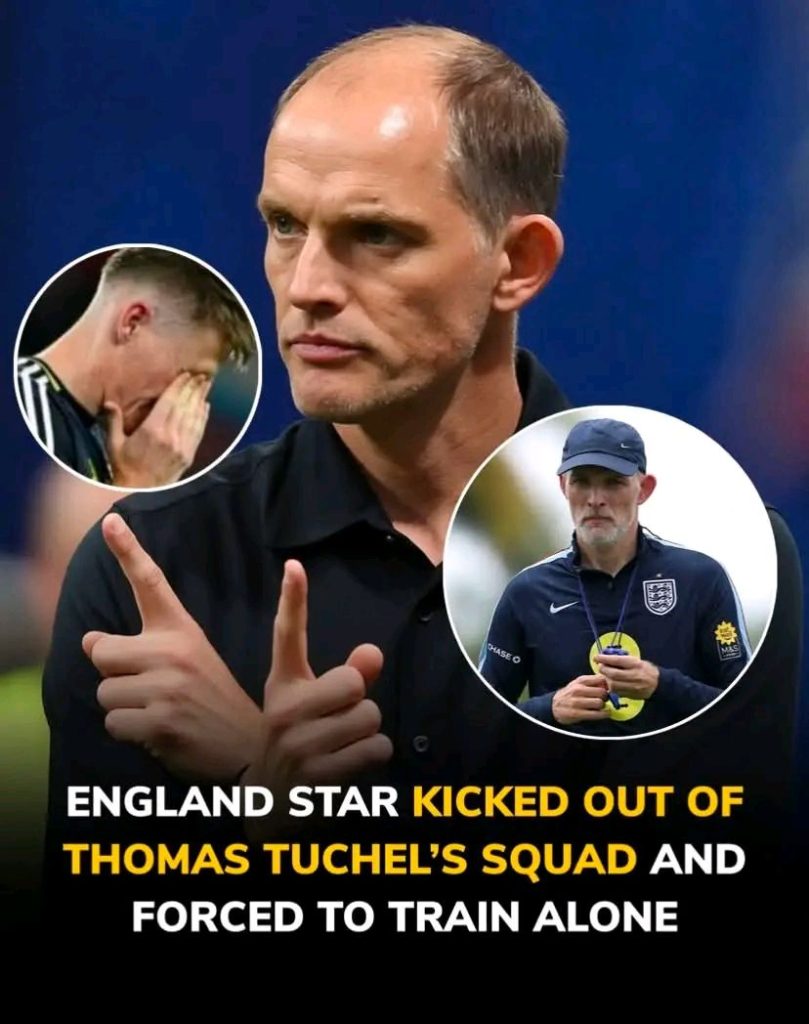
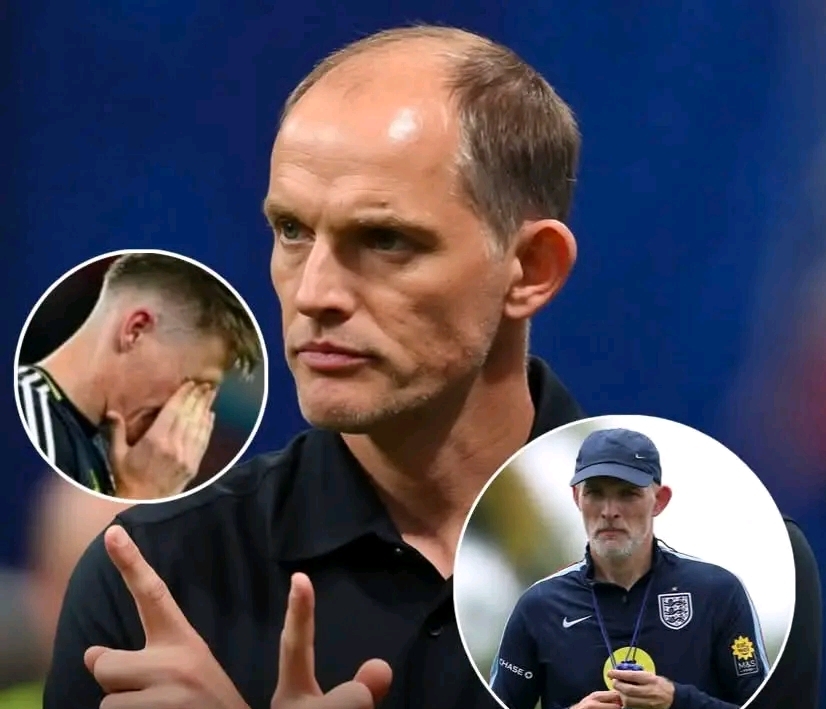
ENGLAND STAR KICKED OUT OF THOMAS TUCHEL’S SQUAD AND LEFT TRAINING ALONE
In a dramatic development that underscores the uncompromising standards set by Thomas Tuchel, a prominent England international has been removed from the squad and departed training in isolation ahead of the crucial Group stage clash against Mexico in the 2026 FIFA World Cup. The incident, which sources describe as a culmination of repeated concerns over attitude and commitment, highlights Tuchel’s iron-fisted approach to forging a cohesive unit where individual stardom yields to collective ambition.
Tuchel, who has repeatedly stressed the need for unselfish players fully committed to the team’s philosophy, is understood to have made the call personally after observing behavior he deemed incompatible with his vision. “I don’t want selfish players that play for themselves. We’re a team! Players must put their heart,” the German tactician is reported to have declared in a forthright team meeting, according to insiders. Having “seen enough,” Tuchel issued the order, resulting in the player training separately before leaving the camp.
This episode arrives at a pivotal juncture for the Three Lions. England, navigating a demanding group that includes Croatia, Ghana, and Panama alongside the host nation Mexico, requires absolute unity. The Mexico match, steeped in atmosphere at a packed stadium in North America, tests not only tactical execution but the squad’s mental resilience and shared purpose.
Tuchel’s Philosophy: Team Over Talent
Since taking charge, Tuchel has made no secret of his preference for a squad defined by character as much as quality. In the build-up to the tournament, he openly admitted that his 26-man selection was not necessarily the 26 most talented players available, but rather those ready to embrace defined roles and prioritize the collective. Omissions of high-profile names such as Harry Maguire, Phil Foden, Cole Palmer, and Trent Alexander-Arnold fueled debate, yet Tuchel defended the choices as necessary for balance and chemistry.
“We are trying to select and build the best possible team,” Tuchel stated during squad announcement. “I can assure every fan in the country that we have 26 100% committed players… ready and committed to the idea of team spirit and being unselfish.” This stance echoes his handling of earlier camps, where injuries and withdrawals were managed pragmatically, but attitude issues receive zero tolerance.
The latest incident reflects this. While specific details about the player remain under wraps to respect internal processes, the message is unambiguous: no one is bigger than the shirt. Sources close to the camp suggest the player in question had shown flashes of brilliance in club football but struggled to align with Tuchel’s demands for intensity in pressing, positional discipline, and selfless contributions off the ball. Isolated training sessions and an early departure serve as a public signal that standards will not be compromised, even under World Cup pressure.
Building a Squad Culture
Tuchel’s tenure has been marked by deliberate efforts to instill a “brotherhood” mentality. Training sessions emphasize problem-solving, tactical fluidity, and interpersonal dynamics. Players who buy into the system—regardless of reputation—earn trust. Those who do not face tough conversations.
This culture was tested in pre-tournament friendlies and the group stage opener. Withdrawals due to injury, such as those involving Arsenal players Declan Rice and Bukayo Saka in earlier camps, were handled with empathy, but Tuchel distinguished clearly between physical issues and attitudinal ones. “Disappointed but not with the players,” he said of injury-related exits, praising their desire to contribute.
In contrast, the current case involves a deliberate exclusion. Observers note that Tuchel’s decision aligns with his history at clubs like Chelsea and Paris Saint-Germain, where he prioritized tactical fit and mental buy-in. At Stamford Bridge, he navigated egos while delivering silverware; with England, the stakes are national pride and ending decades of near-misses.
Analysts argue this ruthlessness could be England’s greatest strength—or a potential vulnerability. Depth in certain positions is tested, particularly if key starters fatigue in the intense North American schedule. Yet Tuchel’s backroom team, including trusted lieutenants, has prepared contingencies, with versatile players ready to step up.
The Mexico Challenge
The upcoming Mexico encounter carries added weight. As co-hosts, Mexico will command fervent home support, turning the venue into a cauldron. England must counter not only technical threats but the emotional intensity of the occasion. Tuchel’s emphasis on heart and collective effort is tailor-made for such battles.
Tactically, England under Tuchel favors a structured approach with high pressing triggers, compact midfield control, and dynamic wide play. The excluded player’s absence may force adjustments—perhaps greater reliance on midfield anchors or attacking rotations emphasizing work rate over flair. Jude Bellingham, Harry Kane, and others who embody the desired ethos will be central.
Fan reactions have been mixed. Some lament the loss of star power, viewing it as overly harsh. Others applaud Tuchel for enforcing accountability, arguing past England squads suffered from cliques or individual agendas. Social media buzzes with divided opinions, but the camp remains focused.
Historical Context and Broader Implications
England’s World Cup history is littered with tales of talented squads undone by internal discord or off-field distractions. From “Golden Generations” that fell short to more recent semi-final runs, the difference often lies in unity. Tuchel, aware of this legacy, has drawn from successful models—Germany’s 2014 triumph under Joachim Löw emphasized collective pressing and clarity of roles.
By acting decisively, Tuchel aims to preempt problems. The player’s solitary exit from training serves as a deterrent and a reminder. Squad members reportedly responded with renewed focus, reinforcing bonds during subsequent sessions.
Looking ahead, this incident could galvanize the group. Successful teams often cite “us against the world” mentality; removing a perceived disruptor accelerates that. However, reintegration possibilities exist post-tournament or in future windows, provided lessons are learned.
Expert Perspectives
Former players and pundits offer varied takes. Some highlight the risk of alienating talent in a squad already navigating injuries and fixture congestion. Others praise the clarity. “Teams win championships,” Tuchel has reiterated, echoing a mantra that prioritizes cohesion.
Medical and sports psychology experts note that while physical fitness is measurable, attitudinal alignment is harder yet critical in high-stakes environments. Tuchel’s staff includes specialists monitoring not just metrics but engagement and feedback.
England’s Path Forward
As the squad prepares for Mexico, focus shifts to execution. Training emphasizes set-pieces, transitions, and maintaining energy levels. Tuchel’s rotations will test depth, rewarding those who embraced his vision from day one.
The tournament remains young, with knockout stages looming. England’s blend of experience and youth, underpinned by discipline, positions them as contenders. This latest drama, while headline-grabbing, may prove a footnote in a campaign defined by resilience.
Tuchel’s message is clear: talent alone is insufficient. Heart, humility, and harmony are non-negotiable. In demanding that an England star confront these realities by leaving training alone, he has drawn a line in the sand. For a nation craving major success, it may be the defining stance of his tenure.


 admin
admin