 admin
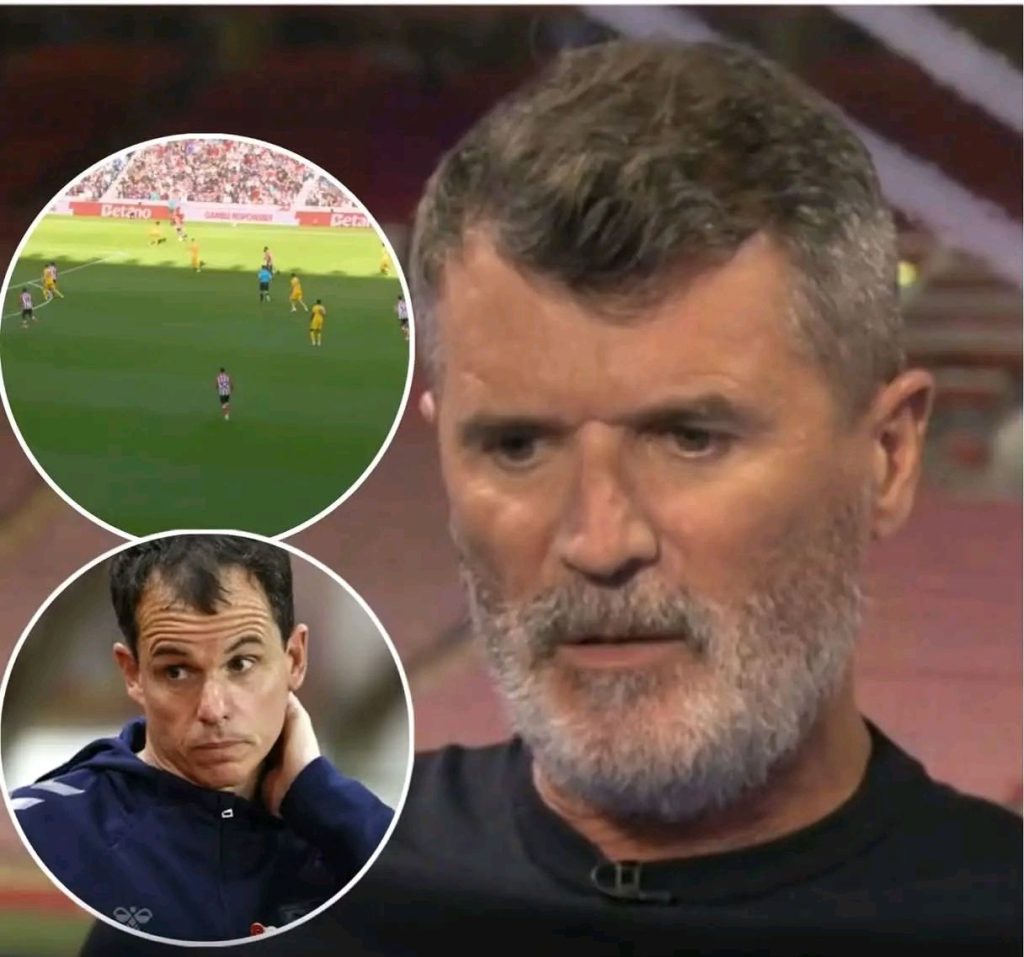
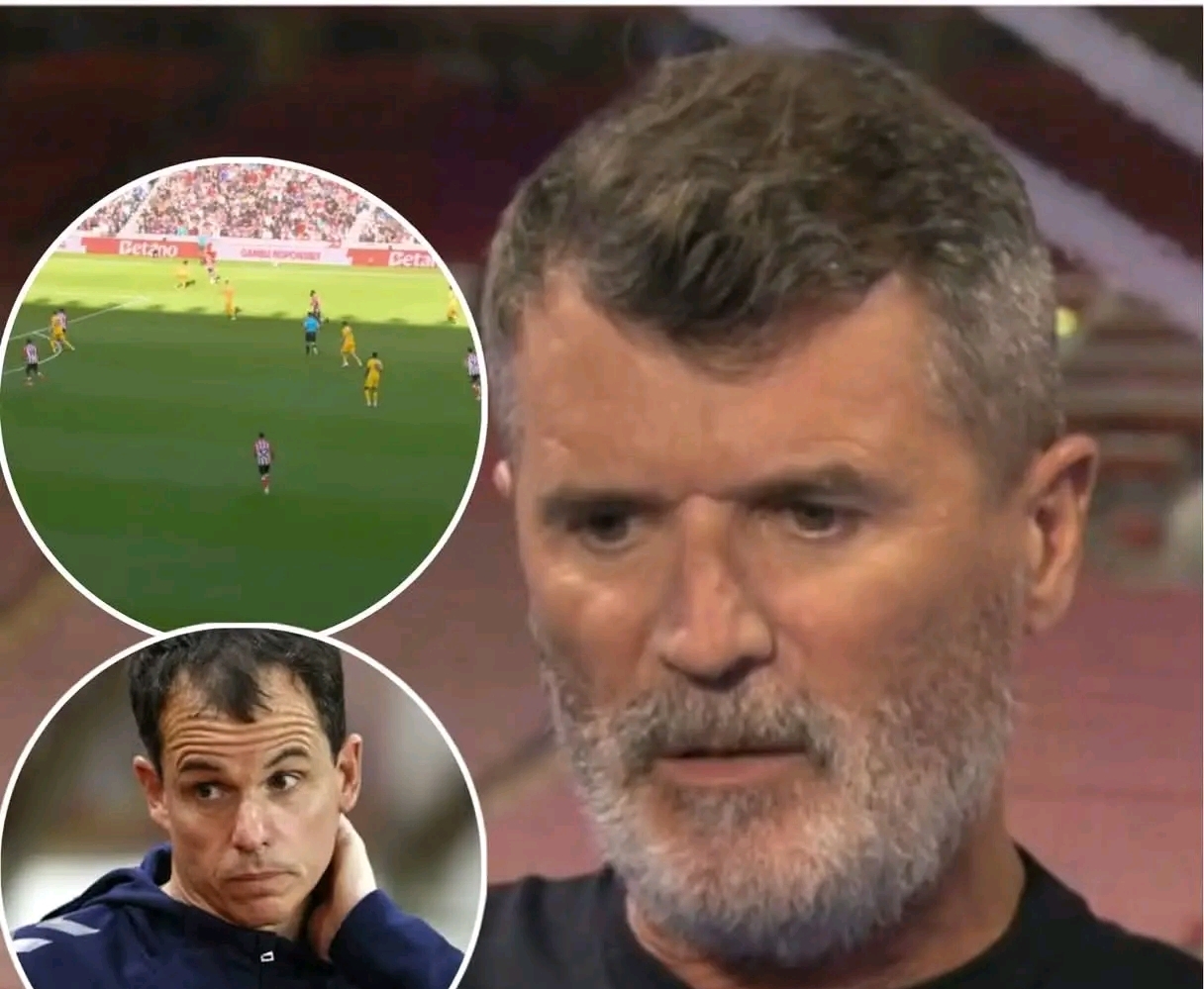
ROY KEANE DELIVERS BRUTAL SUNDERLAND VERDICT AS REGIS LE BRIS COMES UNDER FIRE AND TWO PLAYERS RECEIVE SHOCKING 2/10 RATINGS!
Sunderland supporters have been left frustrated after another difficult performance from the Black Cats, with questions emerging over Regis Le Bris’ tactical decisions, the players’ individual contributions and whether significant changes are needed before the next fixture.
The pressure is growing as expectations rise around the Stadium of Light, where supporters want to see a team capable of competing with confidence, intensity and consistency. After an underwhelming display, attention has turned towards the manager’s approach and the players who failed to make the expected impact.
Former Manchester United captain Roy Keane is renowned for his uncompromising football opinions, particularly when discussing teams that appear to lack aggression, concentration or a clear tactical identity.
The former midfielder has built a reputation for demanding high standards, and his style of analysis often reflects the mentality that made him one of the most feared competitors of his generation.
The reaction surrounding Sunderland has therefore created a familiar talking point: are the Black Cats doing enough to meet the demands of the Premier League, and does Le Bris need to reconsider his approach?
The headline criticism is brutal: “One of the worst Sunderland games I’ve ever watched.”
However, it is important to distinguish between the dramatic headline framing and a verified quotation. No confirmed transcript has been provided establishing that Keane said those exact words, named two Sunderland players or officially awarded them ratings of 2/10. The following analysis explores the footballing concerns behind the scenario rather than presenting those specific claims as verified statements from Keane.
Sunderland’s performance raises serious questions
For a club with Sunderland’s history and passionate support, disappointing performances can quickly become the subject of intense debate.
The Stadium of Light is a demanding environment, and supporters expect players to demonstrate commitment, discipline and a willingness to fight for every ball. Even when results do not go their way, fans want to see a team that looks organised and determined to compete.
When those qualities appear to be missing, criticism becomes difficult to avoid.
One of the biggest concerns for Sunderland would be the balance between their attacking ambitions and their defensive responsibilities. A team can have possession, attempt to build attacks and move players forward, but those efforts count for little if they repeatedly surrender possession in dangerous areas or leave opponents with too much space.
The difference between a promising performance and a frustrating one often comes down to decision-making.
Sunderland need their players to recognise when to take risks, when to retain possession and when to protect the defensive structure. If too many players make the wrong decisions at the same time, even a well-prepared tactical plan can quickly fall apart.
That is where the manager’s responsibilities become particularly important.
Le Bris must ensure his players understand their roles, remain connected across the pitch and respond quickly when possession changes hands. Without those basic foundations, Sunderland risk making matches unnecessarily difficult for themselves.
Why Regis Le Bris could face tactical questions
Le Bris has been tasked with building a team that can compete through organisation, collective effort and intelligent football.
However, every manager eventually faces questions about whether their approach is suitable for the players available and the challenges presented by individual opponents.
Sunderland cannot afford to rely on one tactical idea regardless of the circumstances.
If opponents consistently find space between the midfield and defensive lines, the manager must consider whether the midfield needs additional protection. If Sunderland struggle to progress the ball, changes to their build-up structure may be necessary. If the forwards become isolated, the team may need better support from midfield or more effective movement from wide players.
These are the types of adjustments that can determine whether a side controls a match or spends most of the afternoon reacting to its opponents.
The criticism becomes more serious when similar problems appear repeatedly.
Supporters may accept mistakes when they can see evidence of improvement. They are less likely to remain patient if the same weaknesses continue to cost the team opportunities, territory or points.
Le Bris must therefore demonstrate that he can identify problems and make timely adjustments.
That does not automatically mean abandoning his preferred system. Sometimes the solution is a change in personnel, a different pressing trigger or a more disciplined approach to possession rather than a complete tactical overhaul.
The important question is whether Sunderland can adapt when their original plan is not working.
A manager’s reputation is shaped not only by the system he chooses before kick-off but also by his ability to respond when the match develops differently from what he expected.
The midfield battle Sunderland must improve
One of the most important areas Sunderland need to examine is the midfield.
Matches can quickly become difficult when a team loses control of the central areas. Opponents are then able to move the ball forward with fewer obstacles, while the defensive line becomes increasingly exposed.
Sunderland need midfielders who can compete physically, recognise danger early and make sensible decisions under pressure.
Winning possession is only part of the responsibility. Players must also know what to do with the ball once they recover it.
A midfielder who wins a challenge but immediately gives possession away can leave his team under pressure again. Equally, a player who constantly attempts difficult forward passes without considering the surrounding options can turn promising situations into unnecessary turnovers.
The best midfield performances combine intensity with composure.
There must be enough aggression to challenge opponents and enough discipline to maintain the team’s shape. When one midfielder presses, his teammates need to understand whether they should follow, cover passing lanes or protect the space behind him.
If those movements are not coordinated, Sunderland can become stretched across the pitch.
That creates problems for the defenders, who may be forced to step forward and confront opponents between the lines or retreat towards their own penalty area.
The solution requires collective understanding rather than simply blaming one individual.
Le Bris must decide whether his current midfield combination provides the right balance of energy, technical ability and defensive awareness.
If it does not, changes may be necessary for the next game.
The two players at the centre of the criticism
The suggestion that two Sunderland players deserved ratings of 2/10 has added another layer to the debate surrounding the team’s performance.
Such a rating would represent an exceptionally poor individual display. It would suggest that a player struggled in several fundamental aspects of the game rather than making one isolated mistake.
However, without a confirmed match report or reliable source identifying the players, naming individuals would risk unfairly attributing criticism to the wrong people.
Instead, there are two areas of performance that would naturally attract scrutiny after a disappointing team display.
The first is defensive responsibility.
Defenders and defensive midfielders are expected to recognise danger, maintain their positions and make decisive interventions when opponents threaten the penalty area.
A poor performance in these roles can have an immediate impact on the entire team.
Mistimed challenges, slow reactions, careless passes and failures to track runners can create opportunities that opponents do not need to work particularly hard to exploit.
Nevertheless, defensive performances should be judged in context. A defender who repeatedly faces two attackers because his teammates have failed to track back may be placed in an extremely difficult situation.
The second area is attacking effectiveness.
Forwards and attacking midfielders are expected to turn possession into meaningful opportunities. That does not mean every attack must produce a goal, but Sunderland need their attacking players to make intelligent runs, retain the ball under pressure and contribute defensively when necessary.
When an attacker repeatedly loses possession, fails to create opportunities or becomes disconnected from the rest of the team, questions about his starting position are understandable.
The manager must determine whether the problem is individual form, tactical instructions or a lack of support from teammates.
A player can look ineffective because he is making poor decisions. He can also look ineffective because the team is not creating the conditions required for him to succeed.
That distinction matters when deciding who should be dropped.
Should Sunderland make changes before the next game?
Following an underwhelming performance, supporters often demand immediate changes to the starting eleven.
The argument is straightforward: if certain players are not delivering, the manager should give someone else an opportunity.
There is logic behind that approach.
Competition for places can encourage players to raise their standards, while a carefully selected replacement may offer qualities that the current starter lacks. A more defensively disciplined midfielder, a quicker defender or an attacker with better movement could provide a different dimension.
However, making changes simply to satisfy angry supporters is not necessarily the best way to improve a team.
Le Bris must consider the overall structure of the side, the strengths of the available alternatives and the specific challenges posed by the next opponent.
Dropping a player after one mistake may send the wrong message if the individual has otherwise performed consistently. Equally, continuing to select an underperforming player without clear signs of improvement can undermine the idea that places must be earned.
The manager needs to establish clear standards.
Players should understand what is expected of them in possession, out of possession and during transitions. They should also know that selection depends on their contribution to the team’s objectives rather than reputation alone.
If two players have genuinely delivered performances far below the required level, Le Bris should examine whether alternative options can strengthen the team.
The decision should be based on evidence, not emotion.
Sunderland need changes that improve their chances of competing, not changes designed purely to create headlines.
The importance of confidence and mentality
Tactical organisation is essential, but football is also a game of confidence.
When a team begins to struggle, small mistakes can become more frequent. Players may hesitate before making a pass, avoid taking responsibility or become overly cautious when an aggressive decision is required.
Defenders may retreat too deeply, midfielders may stop demanding the ball and forwards may begin to force opportunities that are not available.
These reactions can create a negative cycle.
The longer a team struggles to regain control, the more difficult it becomes to play with freedom. Opponents sense the uncertainty and increase the pressure.
Sunderland must avoid allowing one poor performance to become the beginning of a prolonged decline.
Le Bris and his coaching staff have a responsibility to restore confidence while making it clear that standards cannot be lowered.
That requires honest conversations, detailed tactical preparation and a collective willingness to take responsibility.
Experienced players must help their teammates remain composed. Younger players need clear instructions rather than being left to work through tactical problems alone. The coaching staff must identify the mistakes that can be corrected on the training ground.
Above all, the squad must respond positively.
A disappointing match does not automatically define a season, but the reaction to it can reveal a great deal about a team’s character.
Sunderland supporters deserve a response
The Sunderland fanbase has endured enough difficult afternoons to understand that football rarely follows a perfectly predictable path.
Supporters know that even well-organised teams lose matches and that individual mistakes are part of the game.
What they want to see is evidence that the club is learning from those mistakes.
They want players who compete for every loose ball, midfielders who remain disciplined, defenders who communicate effectively and attackers who show the courage to make things happen.
They also want a manager who recognises when his team is struggling and is prepared to make the necessary adjustments.
That is why tactical criticism can become so intense after a poor performance.
The concern is not simply about one result. It is about whether the team is moving in the right direction and whether the same problems are likely to appear again.
For Le Bris, the challenge is to turn frustration into a constructive response.
He must assess the performance honestly, identify the areas requiring immediate improvement and prepare his team to approach the next fixture with greater organisation.
The players, meanwhile, must recognise that wearing the Sunderland shirt carries responsibility. Their performances are judged not only by the final score but also by their commitment, decision-making and ability to execute the manager’s instructions.
The verdict: a reaction is needed
The debate surrounding Sunderland’s performance highlights the pressure that comes with competing at a high level.
Le Bris cannot expect every tactical decision to work perfectly, just as no player can produce an outstanding performance every week. But the club must respond when weaknesses become apparent.
The midfield needs to protect the defence, the attacking players must offer a consistent threat and the team must improve its ability to adapt when opponents disrupt its plans.
Any decision to drop players should be based on their actual performances and the alternatives available, rather than an unverified rating circulating online.
Likewise, claims that Roy Keane delivered the exact brutal verdict described in the headline should not be treated as fact without a reliable recording, transcript or report.
The broader footballing question remains important: can Sunderland correct their problems quickly enough to deliver the response their supporters expect?
The next selection and tactical decisions will offer clues about Le Bris’ assessment of the situation.
If Sunderland show greater discipline, intensity and composure, the criticism may begin to fade. If the same problems continue, questions about the manager’s approach and the suitability of certain players are likely to grow louder.
For now, the message is clear: Sunderland need to learn from their mistakes, improve their organisation and show that a disappointing performance can become a turning point rather than a recurring problem.


 admin