 admin
admin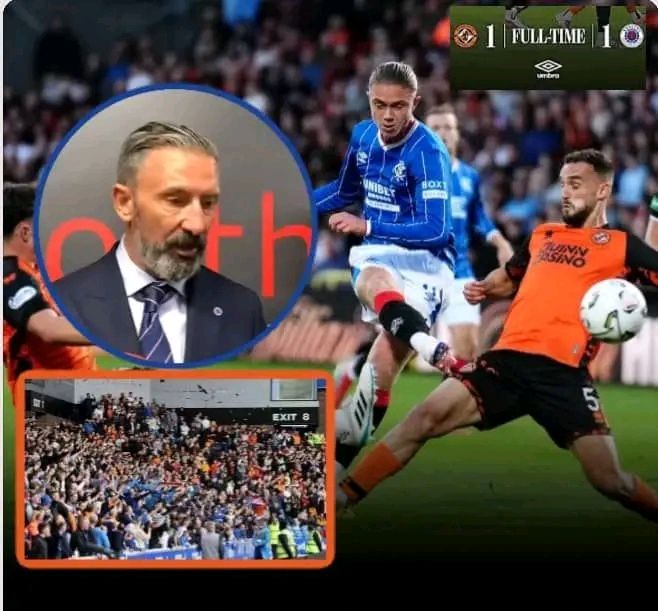
Derek McInnes Furious After Controversial Dundee United Fans’ Chant Leaves Player Visibly Distressed
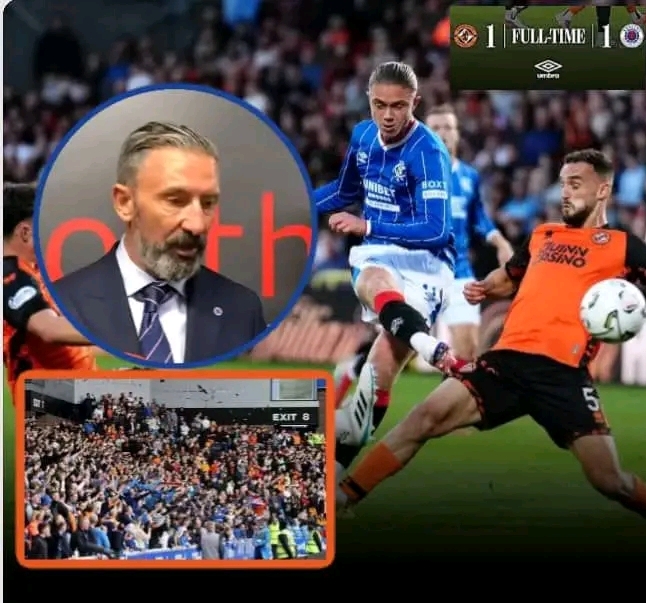
The final whistle may have ended the match, but the biggest talking point came from the stands. As emotions ran high, a controversial chant from a section of Dundee United supporters quickly became the focus of post-match discussion, with manager Derek McInnes reportedly left furious by what he described as a line that “crossed the line.”
According to the fictional scenario, McInnes did not hold back when speaking after the game. While he acknowledged that football is an emotional sport and supporters are entitled to back their teams passionately, he suggested that one particular chant directed toward one of his players went too far. He claimed the words had a visible emotional impact on the player, who struggled to compose himself in the closing moments of the match.
“What happened out there isn’t what football should be about,” the fictional McInnes is quoted as saying. “Supporters can sing, shout and create an atmosphere, but there has to be a limit. That chant broke my player. You could see the effect immediately.”
Players from both teams were seen leaving the pitch without any public confrontation, although television cameras allegedly caught the affected player appearing distressed as teammates attempted to comfort him. The incident soon sparked debate online, with fans split over whether football chants are simply part of the game’s culture or whether some supporters occasionally overstep the mark.
Many supporters defended the right to create an intimidating atmosphere, arguing that rival fans have always used chants to gain a psychological advantage. Others, however, felt personal or targeted abuse has no place in modern football, especially when it affects the wellbeing of players.
The fictional incident also reignited wider conversations about the responsibility clubs have in tackling abusive behaviour inside stadiums. In recent years, football authorities have increased efforts to discourage discriminatory and offensive chanting, while encouraging supporters to report unacceptable behaviour during matches.
Neither club issued an immediate official statement in this fictional scenario, although speculation continued to grow across social media as clips from the closing minutes circulated widely. Fans attempted to identify exactly what had been sung, while others urged people not to spread unverified recordings or accusations.
For McInnes, the focus remained firmly on protecting his squad. He reportedly praised the professionalism shown by his players despite the difficult atmosphere and insisted that mental resilience is just as important as physical strength in elite football. He also called for respect between rival supporters, reminding everyone that footballers are human beings first.
The controversy ensured that discussion of the match extended far beyond the result itself. Instead of analysing tactics or standout performances, much of the football world found itself debating where the line should be drawn between passionate support and unacceptable abuse.
Whether further action follows in this fictional scenario, the incident serves as another reminder that the words heard from the terraces can sometimes have consequences far greater than anyone initially realises.

 admin
admin