 admin
admin
EVERTON READY TO HIJACK LEEDS DEAL FOR 28-YEAR-OLD TO RUIN DANIEL FARKE’S TRANSFER PLAN
In the high-stakes world of Premier League transfer speculation, few stories generate as much tension as a direct clash between two clubs with intertwined histories and competing ambitions. The latest rumor sweeping transfer circles claims that Everton are preparing a late intervention to snatch a 28-year-old target from under the noses of Leeds United, a move that could significantly disrupt manager Daniel Farke’s carefully laid plans for the campaign ahead. While the identity of the player remains the subject of intense conjecture in some reports, the broader narrative speaks to the ruthless nature of the modern market: one club’s calculated recruitment drive becoming another’s opportunity for disruption.
Leeds United, under Farke, have spent recent seasons rebuilding identity and competitiveness after fluctuating between the Championship and Premier League. The German coach, known for his structured, possession-oriented approach refined during successful spells at Norwich City, has prioritised squad cohesion, Premier League-proven experience, and value in the market. Free transfers and shrewd acquisitions have featured prominently in his strategy, allowing the club to strengthen without reckless spending while navigating the financial realities of top-flight football. A 28-year-old addition would typically fit this profile perfectly—experienced enough to contribute immediately, young enough to offer resale potential or multi-year service, and ideally available at a manageable fee or as a free agent.
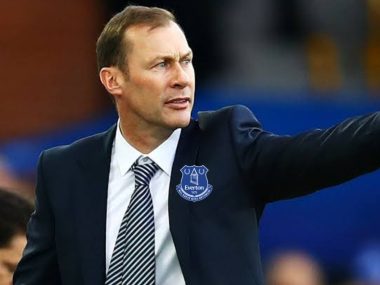
Everton’s reported interest changes the equation. The Toffees, operating under the ownership of the Friedkin Group and guided by David Moyes in recent campaigns, have pursued stability after years of turbulence. Their recruitment has mixed experienced heads with younger talents capable of growing into key roles. Hijacking a deal from a fellow Premier League side is not uncommon in English football; it serves both practical squad-building purposes and a psychological edge. For Everton, securing a player Leeds clearly value would deny a direct rival a strengthening option while bolstering their own options in a key position—whether that be attack, midfield creativity, or defensive solidity depending on the exact target circulating in the rumor mill.
The potential “ruining” of Farke’s plan lies in the timing and scarcity of suitable targets. Summer windows, particularly those following promotion or consolidation seasons, are crowded. Clubs often identify overlapping shortlists of players who combine age, pedigree, and availability. When one side advances talks to an advanced stage—personal terms agreed, medicals lined up, or a fee structure in place—an intervening bid can force the player’s camp to reassess. Higher wages, greater guaranteed playing time, Champions League ambitions (if applicable), or simply a change of scenery can tip the balance. For Leeds, losing out on a priority target late in the window risks leaving gaps that prove difficult to fill at short notice, forcing Farke either to pivot to secondary options of lower quality or enter the season with thinner squad depth than intended
Context from recent transfer activity between the clubs underscores the competitive undercurrent. Leeds previously secured Dominic Calvert-Lewin, then 28, on a free transfer after his long spell at Everton ended. That move was framed as a “no-brainer” by Farke, who valued the striker’s Premier League know-how and physical presence despite injury concerns in prior seasons. Calvert-Lewin’s subsequent revival at Elland Road—rediscovering fitness and scoring form—highlighted how a well-judged free-agent capture can transform a squad. It also left Everton reflecting on an exit that some later viewed as a missed opportunity to retain a proven goal threat. In the opposite direction, speculation has occasionally linked Everton with Leeds players such as full-back options or experienced squad members when contracts run down. These cross-Pennine movements add emotional charge to any new rumor of poaching.
A 28-year-old target typically sits at a career sweet spot. Players of that age have usually accumulated several hundred senior appearances, adapted to the intensity of top-flight or second-tier football in England, and developed tactical maturity. They are less likely to command the astronomical fees associated with younger “wonderkids” yet still offer peak physical years. For Farke, such a signing could plug a specific tactical need—perhaps additional goal threat, creative width, or midfield control—while maintaining balance in the dressing room. Leeds’ recruitment under the 49ers Enterprises influence has emphasised alignment with the manager’s vision; disrupting that risks cascading effects on other deals if funds or squad places are reallocated reactively.
Everton’s motivation appears multi-layered. Beyond pure footballing need, denying Leeds a target carries strategic value in a league where points and positions are fiercely contested. Both clubs have battled in the lower half or mid-table in recent Premier League seasons, making every incremental improvement matter. Moyes’ sides have often relied on organisation, set-piece threat, and experienced professionals who understand the demands of survival or European qualification pushes. Adding a player already courted by a rival signals ambition and can boost dressing-room morale. Financially, if the deal involves a transfer fee, Everton must navigate Profitability and Sustainability Rules (PSR) carefully; free-agent routes or structured payments become attractive precisely because they limit immediate outlay.
The practical mechanics of a hijack attempt are well-established in modern football. Agents play a pivotal role, testing the market once serious interest from a second club emerges. A player may have given verbal assurances or even signed a pre-contract understanding with Leeds, yet remain free to consider improved offers until formal registration. Medicals can be delayed, personal terms renegotiated, and clubs forced into last-minute decisions. Leeds would likely respond by accelerating their own process, improving their financial package if possible, or publicly downplaying the importance of any single target to protect negotiating positions. Farke has previously shown a pragmatic streak in press conferences, emphasising that deals are only complete once paperwork is signed and that the club remains open to alternatives.
Broader implications extend beyond the two clubs. Successful hijacks encourage more aggressive late-window behaviour across the league, inflating wages and complicating long-term planning. For smaller or newly promoted sides, the risk of losing targets to more established names can frustrate carefully constructed strategies. Leeds fans, passionate and demanding after years of rollercoaster fortunes, would view any loss of a key target with frustration, especially if it appears opportunistic rather than purely football-driven. Everton supporters, meanwhile, would celebrate a proactive move that strengthens their squad while weakening a competitor.
Historical precedents abound. Transfer windows have long featured dramatic interventions—clubs matching bids, players changing destination mid-journey, and managers left scrambling. The Nigel Martyn saga of the 1990s, in which Leeds ultimately secured the goalkeeper after Everton had appeared favourites, remains part of local folklore. More recent examples involving players such as Daniel James have seen interest from both clubs at different times. These stories remind observers that few deals are truly secure until the final signature.
Farke’s transfer philosophy has generally prioritised control and clarity. He has spoken about wanting players who buy into the project and fit specific roles rather than chasing names for the sake of it. A disrupted deal forces adaptation. Secondary targets may lack the same readiness or chemistry potential. Squad harmony can suffer if remaining players sense instability in recruitment. Yet Farke’s track record of maximising resources—turning free agents and relatively modest signings into functional units—suggests resilience. Leeds have previously navigated setbacks by relying on academy products, tactical flexibility, and collective spirit.
For Everton, success in such a move would represent more than one addition. It would demonstrate the club’s ability to compete for desirable free agents or mid-tier targets against ambitious rivals. Under new ownership structures, the Toffees have sought to project greater professionalism and ambition. Landing a player Leeds wanted would feed that narrative. Failure, conversely, risks appearing reactive or outmanoeuvred in the market.
As the window progresses, the rumor’s accuracy will be tested by concrete developments: confirmed interest from Everton sources, responses from Leeds, statements from the player’s representatives, or movement toward medicals and contracts. Until then, it serves as a vivid illustration of Premier League transfer dynamics—competitive, opportunistic, and capable of reshaping managerial plans overnight. Daniel Farke will continue refining his squad with the pragmatism that has defined his tenure, while Everton weigh whether a late intervention offers genuine value or merely short-term disruption. In a league where margins are razor-thin, the outcome of even one contested deal can influence the trajectory of a season for both clubs and their supporters. The 28-year-old at the centre of the speculation, whoever he ultimately proves to be, holds the power to alter two carefully constructed summer strategies with a single decision.


 admin
admin