 admin
admin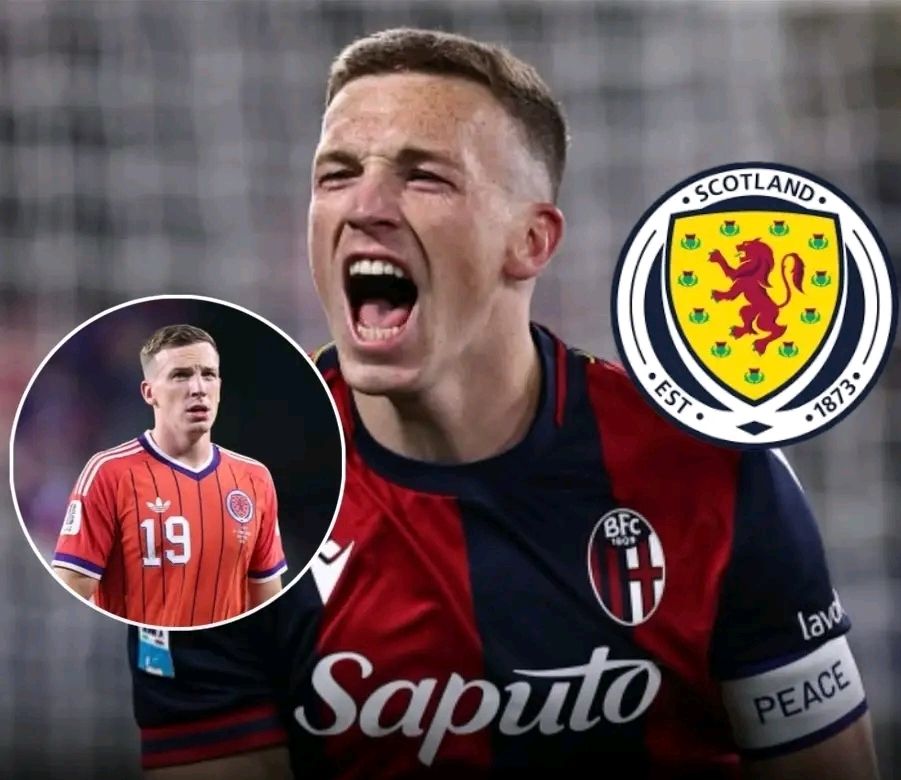
LEWIS FERGUSON AGREES TO SENSATIONAL RETURN TO THE SCOTTISH PREMIERSHIP.
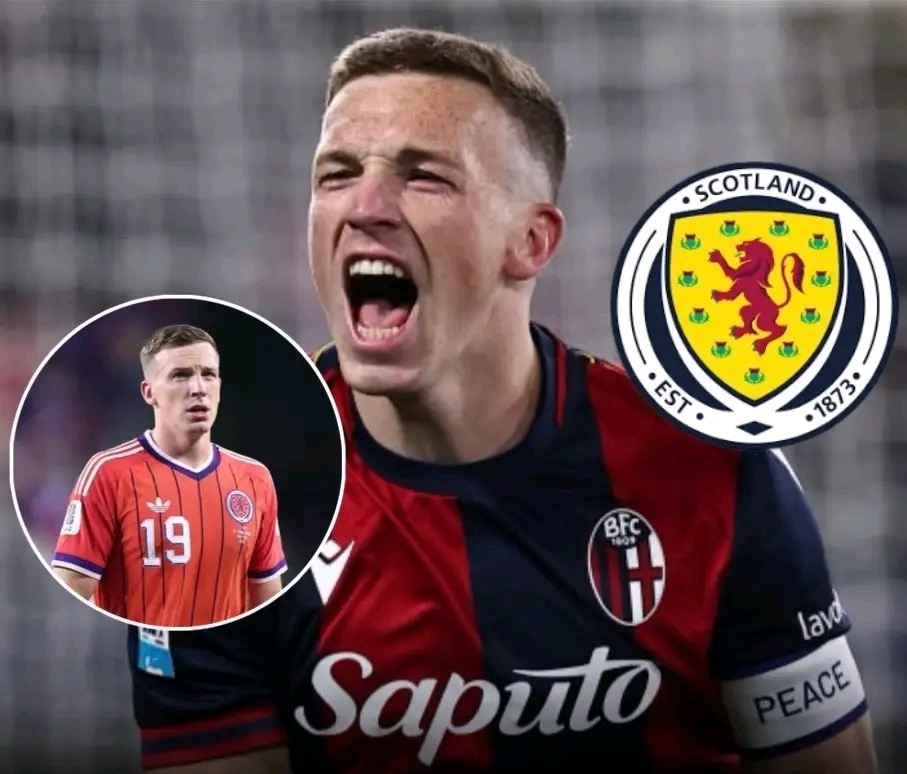
In a development that has sent shockwaves through Scottish football, Lewis Ferguson has reportedly agreed to a sensational homecoming to the Scottish Premiership. The 26-year-old Bologna midfielder and Scotland international, who has established himself as one of the most accomplished talents to emerge from the domestic game in recent years, is set to swap the bright lights of Serie A for a return to his roots.
While the exact destination remains subject to final confirmation—speculation strongly points towards a move that aligns with his deep family connections—the news marks a significant moment in a career defined by resilience, growth, and unwavering ambition.
Ferguson’s journey from the youth ranks to continental recognition has been nothing short of remarkable. Born in Hamilton on 24 August 1999, the midfielder began his football education at Rangers, the club where his father Derek and uncle Barry forged legendary reputations. Though he did not break into the first team at Ibrox, those early years instilled a competitive edge and a deep affinity for the blue side of Glasgow. Released as a teenager, he joined Hamilton Academical, making his senior debut in January 2018. Even in a struggling side, Ferguson’s composure, intelligence on the ball, and eye for goal quickly marked him out as one of the country’s brightest young midfielders, earning a move to Aberdeen later that year.
His switch to Pittodrie in 2018 proved to be the defining step in his early career. Under the guidance of Derek McInnes, Ferguson developed from a talented prospect into one of the Scottish Premiership’s most complete midfielders. Combining relentless work rate with technical quality, he became the heartbeat of Aberdeen’s midfield. Across four impressive seasons, he scored 27 league goals, with his outstanding 11-goal haul during the 2021/22 campaign highlighting his knack for arriving late in the penalty area and producing decisive moments.
His influence extended beyond goals. Ferguson captained Aberdeen on numerous occasions, displaying leadership qualities that belied his age. Calm under pressure, vocal in the dressing room, and relentless in his standards, he became a player teammates naturally looked towards during difficult moments. His performances also earned him regular Scotland call-ups, while attracting attention from clubs across England and Europe.
Instead of taking a conventional route south of the border, Ferguson embraced a more ambitious challenge by signing for Bologna in July 2022 for a fee reported to be around €3.5 million. At the time, some questioned whether a Scottish midfielder could immediately adapt to the tactical demands of Serie A. Ferguson answered those doubts emphatically.
Italian football elevated every aspect of his game. During his debut Serie A campaign in 2022/23, he scored seven league goals while establishing himself as one of Bologna’s most influential performers. His intelligent movement, tactical discipline, and willingness to contribute defensively made him an indispensable figure. Supporters quickly embraced his tireless displays, while coaching staff praised his professionalism and appetite for continuous improvement.
His second season in Italy brought even greater success. Ferguson scored six goals and supplied three assists as Bologna secured an historic top-five finish, earning qualification for the UEFA Champions League for the first time in decades. His consistency, leadership, and maturity saw him entrusted with captaincy responsibilities, underlining the respect he had earned within one of Serie A’s most competitive environments.
Then came the biggest setback of his career. In April 2024, Ferguson suffered a devastating anterior cruciate ligament injury that ended his season and ruled him out of Scotland’s Euro 2024 campaign. For a player enjoying the finest football of his career, the timing could hardly have been worse.
However, adversity has consistently brought out Ferguson’s strongest qualities. Months of rehabilitation tested both his physical and mental resilience. By late 2024, he had returned to first-team action, gradually rebuilding his fitness while helping Bologna compete domestically and in Europe. His successful comeback demonstrated not only excellent medical care but also exceptional determination and professionalism.
Despite flourishing abroad, Ferguson has never hidden his affection for Scottish football. Family remains central to his life, and his footballing heritage runs deep. With his father Derek and uncle Barry Ferguson both synonymous with Rangers, speculation regarding a return to Ibrox has naturally intensified. Although no official confirmation has been made, reports indicate discussions have progressed significantly, with all parties optimistic about reaching an agreement.
Should the move materialise, it would rank among the Scottish Premiership’s most eye-catching transfers in recent years. Players entering their prime rarely return to Scotland after establishing themselves in one of Europe’s elite leagues. Ferguson’s willingness to do so reflects both his connection to home and his belief that he can continue competing at the highest level while making a major impact domestically.
The Making of a Modern Midfielder
Ferguson’s evolution has been built upon a complete midfield skill set. Technically gifted, he possesses outstanding first touch, composure under pressure, and the vision to dictate possession. His powerful shooting from distance, intelligent movement into attacking areas, and ability to score with either foot make him a constant goal threat.
Equally impressive are his defensive contributions. Ferguson presses aggressively, tracks runners tirelessly, wins aerial duels despite not being the tallest midfielder, and rarely shirks physical battles. His tactical understanding, sharpened during his time in Italy, allows him to anticipate danger before it develops while maintaining positional discipline.
Perhaps his greatest strength, though, lies in his mentality. Coaches consistently describe him as one of the hardest-working professionals they have encountered. Leadership comes naturally rather than being forced, while his calm personality enables him to thrive under intense pressure. Whether captaining Bologna or guiding younger teammates at Aberdeen, Ferguson has consistently demonstrated qualities associated with elite professionals.
Working under coaches such as Thiago Motta and Vincenzo Italiano further broadened his tactical education. Exposure to possession-based systems, fluid positional rotations, and sophisticated pressing structures refined his football intelligence, making him an even more complete midfielder than the player who departed Scotland in 2022.
International Recognition
Ferguson’s rise has also been reflected on the international stage. Earning more than 20 senior caps for Scotland, he has become an increasingly trusted figure within the national team setup. His versatility allows him to operate as a box-to-box midfielder, holding midfielder, or advanced No. 8 depending on tactical requirements.
Whether in UEFA Nations League fixtures, European Championship qualifiers, or World Cup qualifying campaigns, Ferguson has consistently delivered composed performances. His ability to retain possession under pressure and contribute defensively has made him an important option for Scotland against Europe’s strongest opponents.
Although missing Euro 2024 through injury represented a major disappointment, his successful return has positioned him to remain a central figure in Scotland’s plans for future qualification campaigns.
Impact on Scottish Football
A return for Ferguson would extend far beyond one high-profile transfer. Scottish football has often celebrated the success of players such as Kieran Tierney, Andrew Robertson, Scott McTominay, John McGinn, and Billy Gilmour abroad. Far fewer have returned during what should be the peak years of their careers.
His arrival would significantly enhance the league’s quality and profile. Younger Scottish players would have another elite role model demonstrating that developing domestically before succeeding overseas remains a viable pathway. His presence would also attract additional media attention, television interest, and increased attendances
If Rangers complete the signing, the emotional significance would be impossible to ignore. Barry Ferguson remains one of the club’s most celebrated modern captains, while Derek Ferguson also represented the club with distinction. Lewis would not simply be joining Rangers; he would be continuing a family legacy spanning generations.
Alternatively, a surprise return to Aberdeen would be equally compelling. Supporters still regard Ferguson as one of the club’s finest players of the modern era, and his return would instantly transform expectations both domestically and in European competition.
Financially, the transfer represents a considerable undertaking. Bologna reportedly value Ferguson between €15 million and €17 million, although structured payments, bonuses, or player exchanges could reduce the immediate financial burden. His contract reportedly runs until 2028, meaning Bologna remain in a strong negotiating position despite the player’s apparent desire for a fresh challenge.
What Ferguson Brings
Beyond goals and assists, Ferguson offers qualities impossible to quantify statistically. His leadership standards elevate those around him. Young players benefit from observing his professionalism, while experienced teammates appreciate his consistency and reliability.
On the pitch, he provides tactical flexibility. Managers can deploy him as a deep-lying playmaker, energetic box-to-box midfielder, attacking No. 8, or even further forward when chasing goals. His set-piece delivery, aerial presence, and long-range shooting add multiple attacking dimensions.
Scottish football’s physical intensity should present few problems given Ferguson’s previous success in the Premiership. Instead, he returns armed with several years of tactical education from one of Europe’s strongest leagues, making him an even more complete footballer than when he departed
For Scotland manager Steve Clarke, having Ferguson playing regularly closer to home could prove beneficial. Reduced travel demands, consistent playing time, and leadership opportunities would likely strengthen his international contributions ahead of upcoming qualification campaigns.
Off the pitch, Ferguson represents the modern professional footballer. Grounded, family-oriented, and committed to continual improvement, he serves as an excellent ambassador for Scottish football. His experience overcoming injury further enhances his standing as someone capable of inspiring younger players facing adversity.
Challenges Ahead
No return home is without risk. Expectations will be enormous wherever Ferguson signs. Supporters will expect immediate leadership, match-winning performances, and consistency every week.
The Scottish Premiership presents different tactical challenges compared to Serie A. Games are often faster, more direct, and physically demanding, requiring quick adaptation despite Ferguson’s previous experience in the league.
Managing his fitness will also remain crucial following his ACL injury and subsequent muscular issues. Careful workload management, combined with a full pre-season, should help maximise both his performance and longevity.
Nevertheless, Ferguson has repeatedly demonstrated an ability to overcome setbacks. Every major challenge throughout his career—from leaving Rangers, establishing himself at Aberdeen, succeeding in Italy, and recovering from serious injury—has ultimately strengthened him.
A Full-Circle Moment
Lewis Ferguson’s career has been defined by perseverance, ambition, and continuous development. From a youngster released by Rangers to captaining Bologna in Serie A and becoming a respected Scotland international, his journey illustrates the rewards of resilience and hard work.
A return to the Scottish Premiership would represent more than a transfer; it would symbolise the completion of one remarkable chapter while beginning another equally compelling one. It would bring home one of Scotland’s finest midfielders at the height of his powers, enriching the league with invaluable experience, leadership, and quality.
Wherever Ferguson ultimately lands, his arrival promises to raise standards on and off the pitch. His professionalism, tactical intelligence, and winning mentality could influence an entire dressing room, while his performances would undoubtedly strengthen the league’s competitiveness.
For supporters, it is an exciting prospect. Scottish football rarely welcomes back a player with Ferguson’s pedigree while still in his prime. Whether wearing blue, maroon, or another famous Scottish shirt, he has the ability to shape title races, influence cup competitions, and continue inspiring the next generation.
In an era when elite players often leave their homeland permanently in pursuit of bigger leagues and greater financial rewards, Ferguson’s decision to return underlines the enduring importance of identity, family, and connection. It is a reminder that success abroad does not diminish the emotional pull of home. If the deal is completed, Scottish football will welcome back not just one of its brightest talents, but a player whose best years may still lie ahead. The Premiership stands to benefit enormously from the return of a midfielder whose journey has come full circle, and whose story is far from finished.

 admin
admin