 admin
adminPGMOL Confirmed referee make huge mistake during Sunderland vs Nottingham Forest match, it has cause a huge stir on the media
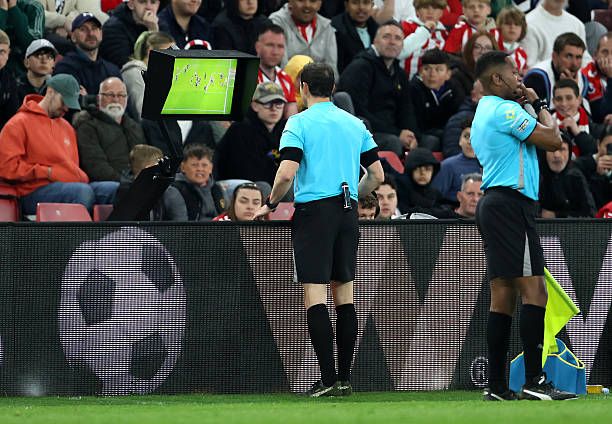
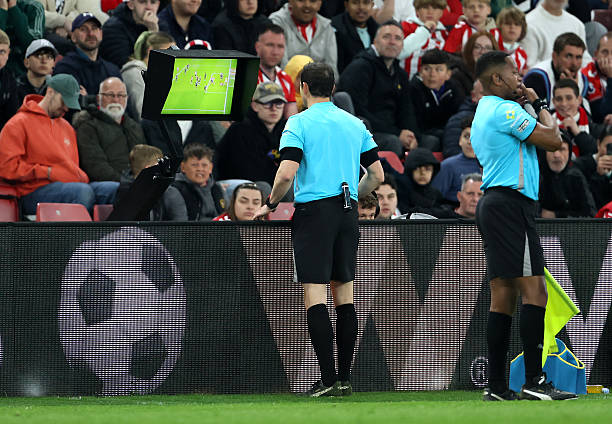
The Professional Game Match Officials Limited has confirmed that a major refereeing error occurred during the recent clash between Sunderland and Nottingham Forest, sparking widespread debate across football media and among fans.
The controversial moment came during a high-intensity passage of play that many observers now believe should have resulted in a decisive call either a penalty or a red card, depending on interpretation. Instead, the referee waved play on, a decision that immediately drew protests from players, coaching staff, and supporters both inside the stadium and watching globally.
In its post-match review, PGMOL acknowledged that the officials failed to apply the laws of the game correctly in that moment. According to their statement, the incident met the threshold for a different outcome, and the on-field decision did not align with established officiating standards. While PGMOL did not publicly name the referee involved, the admission itself is significant, as such acknowledgments are relatively rare and often come only after intense scrutiny.
The match itself had already carried importance, with both Sunderland and Nottingham Forest fighting for momentum in their respective campaigns. However, the refereeing controversy quickly overshadowed the football. Sunderland supporters in particular expressed frustration, arguing that the error directly influenced the result and potentially cost their team valuable points.
Media outlets were quick to pick up on the story, with pundits dissecting the incident from multiple angles. Slow-motion replays circulated widely on social media, with many concluding that the mistake was clear and avoidable. Some analysts pointed to positioning and communication breakdowns among the officiating team, while others questioned the role of VAR and why it failed to intervene.
VAR, which was introduced to minimize exactly these kinds of errors, has once again found itself at the center of criticism. Many fans are asking how such a significant incident could go unchecked despite the presence of video review technology. The debate has reignited broader concerns about consistency, transparency, and the overall effectiveness of officiating systems in modern football.
Former referees and football experts have also weighed in, offering mixed perspectives. Some defended the difficulty of making split-second decisions in high-pressure environments, emphasizing the human element of refereeing. Others were less forgiving, arguing that professional officials at this level are expected to meet a higher standard, especially when supported by advanced technology.
For Sunderland, the incident adds to a growing sense of grievance regarding officiating decisions this season. Club representatives have not officially lodged a complaint, but sources suggest there is internal frustration. Nottingham Forest, meanwhile, have remained relatively quiet, though they are undoubtedly aware that the controversy has placed an unwanted spotlight on their victory.
PGMOL’s admission may offer some level of validation to Sunderland and their supporters, but it does little to change the outcome of the match. This is a recurring issue in football: errors can be acknowledged, but results remain unchanged. As a result, calls for reform continue to grow louder, with suggestions ranging from increased transparency in VAR communications to stricter accountability measures for referees.
The incident also highlights the broader challenge facing football authorities. Balancing the speed and emotion of the game with the need for accurate decision-making is no easy task. While technology has improved certain aspects of officiating, it has also introduced new layers of complexity and expectation.
Ultimately, this controversy serves as another reminder that refereeing remains one of the most scrutinized aspects of football. For Sunderland and Nottingham Forest, the match will be remembered not just for the action on the pitch, but for the decision that changed its narrative. For PGMOL, it is yet another moment that underscores the need for continued improvement in officiating standards and processes.
As discussions continue, one thing is clear: the demand for consistency and accountability in football officiating is not going away anytime soon


 admin
admin