 admin
admin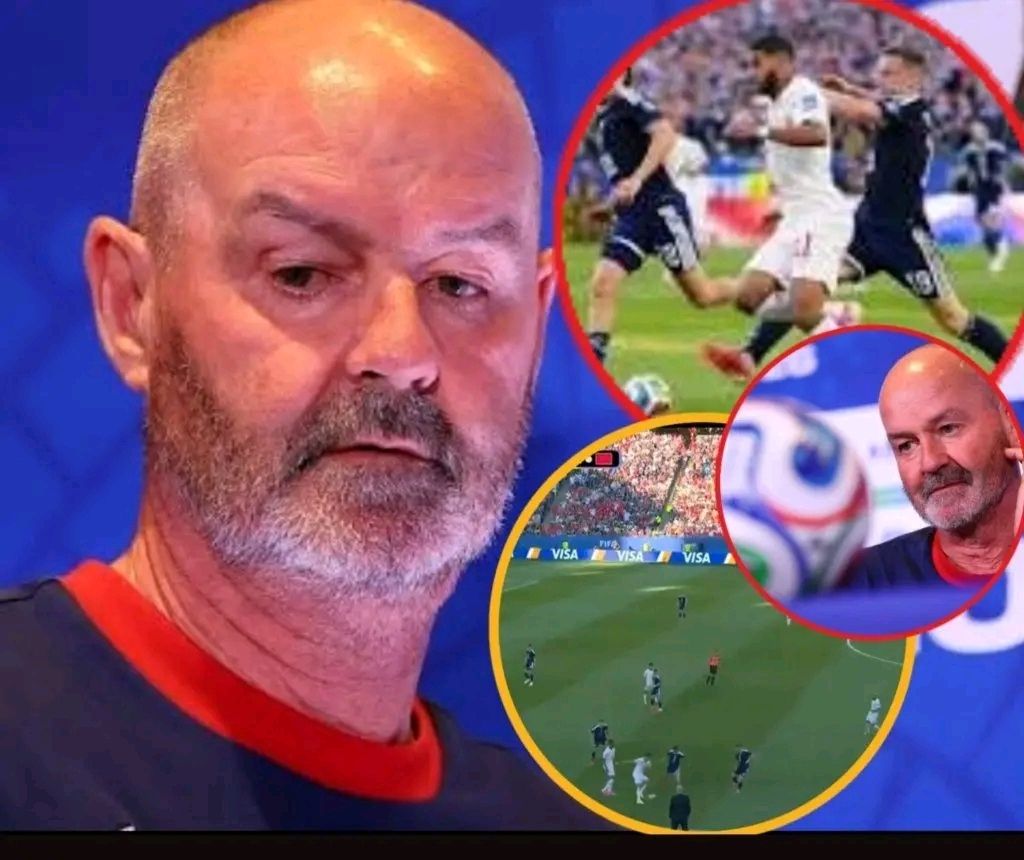
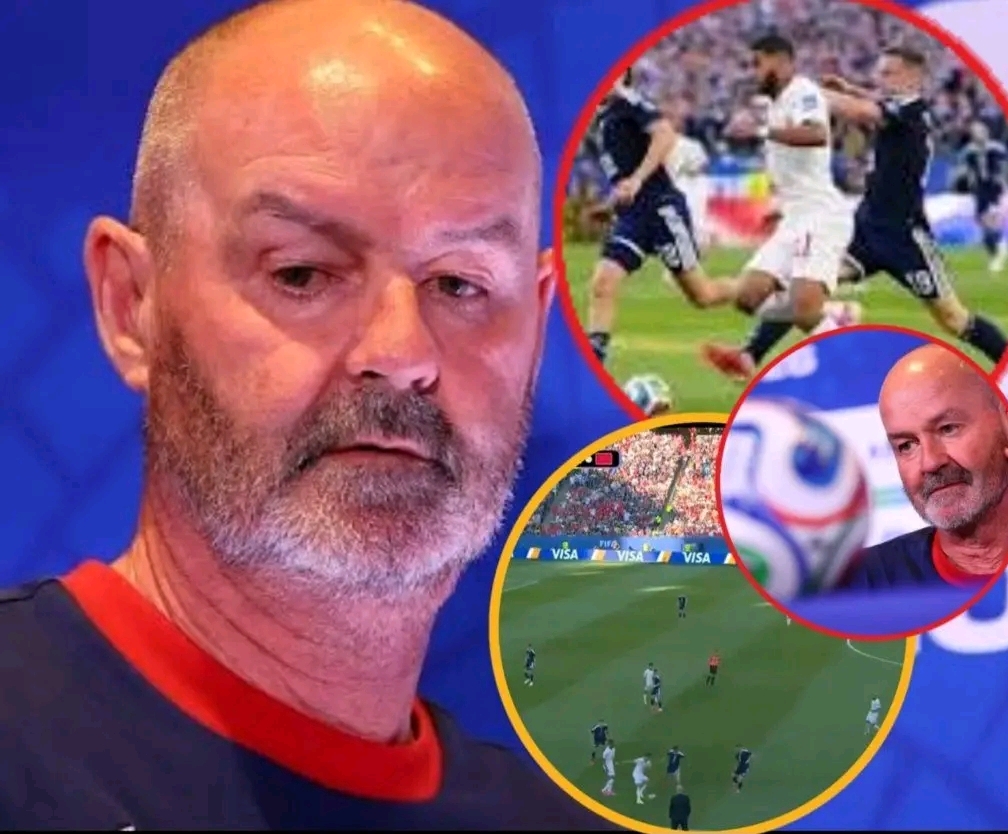
Steve Clarke Slams Refereeing in Explosive Outburst After Scotland Are Denied Two Clear Penalty Appeals in Controversial World Cup Defeat to Morocco
Scotland manager Steve Clarke delivered one of his most frustrated post-match reactions yet after his side’s controversial World Cup defeat to Morocco, with two major penalty appeals dominating the aftermath of a tightly contested encounter that ended in disappointment for the Scots.
The match itself was decided by fine margins, but the talking point after the final whistle was not just the result it was the officiating. Scotland felt they had been on the wrong end of two key decisions inside the penalty area, both of which were waved away by the referee and later not overturned by VAR, leaving Clarke and his players visibly aggrieved.

Speaking after the match, Clarke made it clear he felt his team had been denied crucial opportunities at pivotal moments, suggesting the outcome of the game may have been shaped by decisions outside of Scotland’s control.
“These are the moments that define matches at this level,” Clarke said. “We’re not asking for anything more than consistency. From our point of view, we’ve looked at those incidents and we feel very hard done by.”
From the opening stages, the game was played at a high intensity, with both sides competing aggressively for control. Morocco started brightly, pressing Scotland high and looking to disrupt their build-up play, while Scotland responded with direct attacking movement and physical presence in the final third.
The first major flashpoint arrived in the first half when Scotland strongly appealed for a penalty following a challenge inside the box. Players immediately surrounded the referee, insisting there had been clear contact that warranted a spot-kick. However, the appeals were dismissed, and play continued without VAR intervention, a decision that visibly frustrated the Scotland bench.
Clarke, watching closely from the touchline, reacted with clear disbelief but initially held his composure. However, as the game progressed, tensions continued to rise, especially as Scotland felt they were not receiving the same level of protection in key duels across the pitch.
The second controversial incident arrived later in the match, when another Scotland attack resulted in a challenge inside the area that again sparked loud appeals. Once more, the referee waved play on, and VAR chose not to intervene, a decision that effectively ended Scotland’s hopes of getting back into the game from the penalty spot.
For Clarke, the combination of both incidents created a sense of injustice that overshadowed the final scoreline.
“I’m not going to sit here and overreact, but I think everyone watching the game can see what happened in those moments,” he added. “At this level, you need big decisions to be correct. Today, we didn’t get that clarity.”
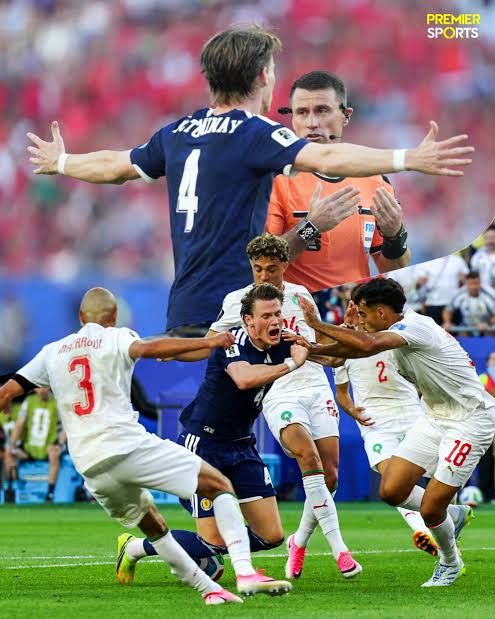
While Clarke stopped short of directly accusing match officials of bias or wrongdoing, his tone suggested deep dissatisfaction with how key moments were handled. He repeatedly referenced the importance of consistency in refereeing, particularly in high-stakes World Cup matches where margins are extremely fine and outcomes can shift on a single decision.
On the pitch, Scotland did have chances of their own but struggled to convert pressure into goals. Their attacking play showed intent, but Morocco’s defensive structure held firm, particularly in the second half as they managed the tempo of the game and slowed Scotland’s momentum when needed.
Morocco’s discipline and organisation proved decisive, especially in their ability to absorb pressure during Scotland’s strongest spells. Once they gained control of the match, they managed it intelligently, frustrating Scotland and limiting clear-cut opportunities in open play.
However, despite Morocco’s tactical execution, the post-match discussion quickly shifted away from their performance and toward the refereeing decisions that defined Scotland’s evening. Clarke’s comments added further fuel to an already heated debate among fans, analysts, and former referees, with opinions divided over whether Scotland had legitimate claims or whether the referee had made correct interpretations in real time.
Some analysts argued that in fast-paced penalty area situations, contact alone does not always constitute a foul, and that the referee was within his rights to allow play to continue. Others, however, believed Scotland had a strong case and questioned why VAR did not recommend a review at least for either incident, given the potential impact on the match.
Inside the Scotland camp, frustration was evident but there was also a recognition that the result cannot be changed. Clarke urged his players not to dwell on the controversy for too long, instead focusing on recovery and preparation for their remaining group fixtures, which now carry added importance following the defeat.
“We have to move on,” Clarke said firmly. “We can’t spend energy on things we cannot control. What we can control is how we respond in the next match.”
The defeat leaves Scotland in a challenging position in their group, with pressure now increasing ahead of their final fixtures. While the performance showed moments of promise, the inability to convert chances combined with the controversial refereeing decisions has left them with little margin for error going forward.
As debates continue to circulate around the match, the refereeing will likely remain one of the defining talking points of Scotland’s World Cup campaign so far. For Steve Clarke and his squad, however, the focus must quickly shift from frustration to recovery, as their tournament hopes remain hanging in the balance.


 admin
admin