 admin
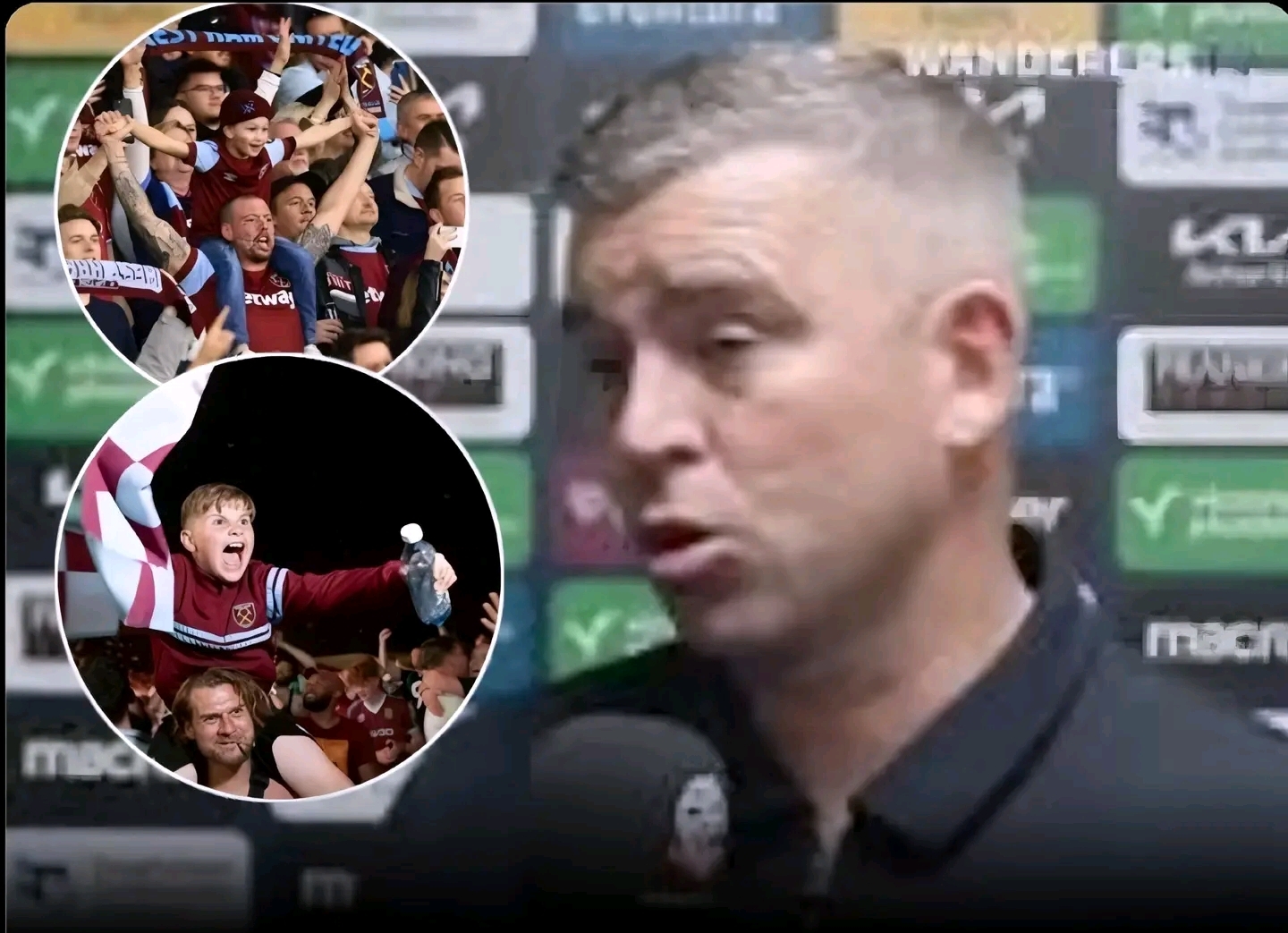
THE FREQUENCY AT WHICH THEY SANG THAT CHANT MADE US LOOSE OUR MOMENTUM AND LOST THE 2:1 LEAD
What if the chant was not just noise?
What if, in the middle of a fiercely contested football match, the constant singing from the stands became part of the story?
The team had the advantage.
The scoreboard was showing 2–1.
The players had fought their way into a position where victory suddenly looked within reach.
Then something changed.
The chanting continued.
Again.
And again.
And again.
According to the reaction after the match, the frequency of that chant became a major talking point, with the feeling that it affected the team’s rhythm and contributed to the loss of momentum.
And this is where football becomes more than 22 players chasing a ball.
It becomes psychological.
It becomes emotional.
It becomes about how players respond when the pressure inside the stadium reaches another level.
At 2–1, the team needed composure.
They needed concentration.
They needed experienced players to slow the game down, control possession and make sure the opposition could not build momentum.
But instead, the atmosphere appeared to become increasingly intense.
Every chant added another layer of pressure.
Every repetition made the stadium louder.
And suddenly, a team that had looked comfortable began to look vulnerable.
That is the brutal reality of protecting a narrow lead.
One moment, you are controlling the match.
The next, you are defending your advantage with everything you have.
The opposition does not need five chances.
They may only need one mistake.
One misplaced pass.
One poor defensive decision.
One lapse in concentration.
One moment when the midfield loses control.
And suddenly, that 2–1 lead is gone.
This is why the statement about the chant has attracted attention.
It suggests that the atmosphere was not simply background noise.
From the team’s perspective, it became something they felt was affecting their performance.
Football supporters understand the power of chanting.
A stadium can lift its own players.
It can intimidate opponents.
It can create momentum.
It can make an ordinary match feel like a cup final.
But there is another side to that atmosphere.
When emotions become overwhelming, players can become distracted.
They can start reacting rather than thinking.
They can lose their structure.
They can rush decisions.
And when that happens while protecting a one-goal lead, the consequences can be devastating.
Imagine the scene.
2–1 on the scoreboard.
The supporters are singing relentlessly.
The opposition is pushing forward.
The players are under pressure.
Every tackle is being cheered.
Every mistake is being noticed.
Every attack suddenly feels dangerous.
This is when leaders are supposed to stand up.
This is when the captain should be telling teammates to remain calm.
This is when the goalkeeper should be organising the defence.
This is when midfielders should be demanding the ball.
This is when the entire team should be saying: stay calm, stay together and see the game out.
Because the most dangerous thing a team can do after taking a 2–1 lead is panic.
The chant may have influenced the atmosphere, but ultimately the players still had to manage the football.
That is an important distinction.
Supporters can influence emotions, but they cannot decide how a defender positions himself.
They cannot control whether a midfielder gives the ball away.
They cannot decide whether an attacker tracks back.
They cannot make a goalkeeper save a difficult shot.
The responsibility eventually returns to the players.
And that is why this defeat could become an important lesson.
If the team genuinely believes the atmosphere contributed to their loss of momentum, they must learn from it.
Because next time, there will be another chant.
There will be another hostile stadium.
There will be another difficult moment.
There will be another 2–1 lead that needs protecting.
The strongest teams are not simply the teams that play beautiful football when everything is going their way.
They are the teams that remain composed when everything around them becomes chaotic.
That is what separates contenders from champions.
So, was the chant responsible for the collapse?
That is a debate supporters will continue to have.
Some will argue that the players should have been mentally stronger.
Others will insist that the relentless atmosphere genuinely changed the rhythm of the match.
But one thing is undeniable from the team’s perspective: the 2–1 lead disappeared, and so did the momentum.
The match that looked like it was heading towards victory suddenly became a painful reminder that football can change in seconds.
A chant can lift a team.
A chant can unsettle an opponent.
And sometimes, an atmosphere can become so intense that everyone inside the stadium feels the game changing before the scoreboard catches up.
That is why this story will continue to generate debate.
Because it was not simply about a chant.
It was about momentum.
It was about pressure.
It was about concentration.
And, ultimately, it was about a team that had a 2–1 advantage in its hands — only to watch the match slip away.
Football does not always turn on the biggest moment. Sometimes, it turns on the atmosphere surrounding it.


 admin