 admin
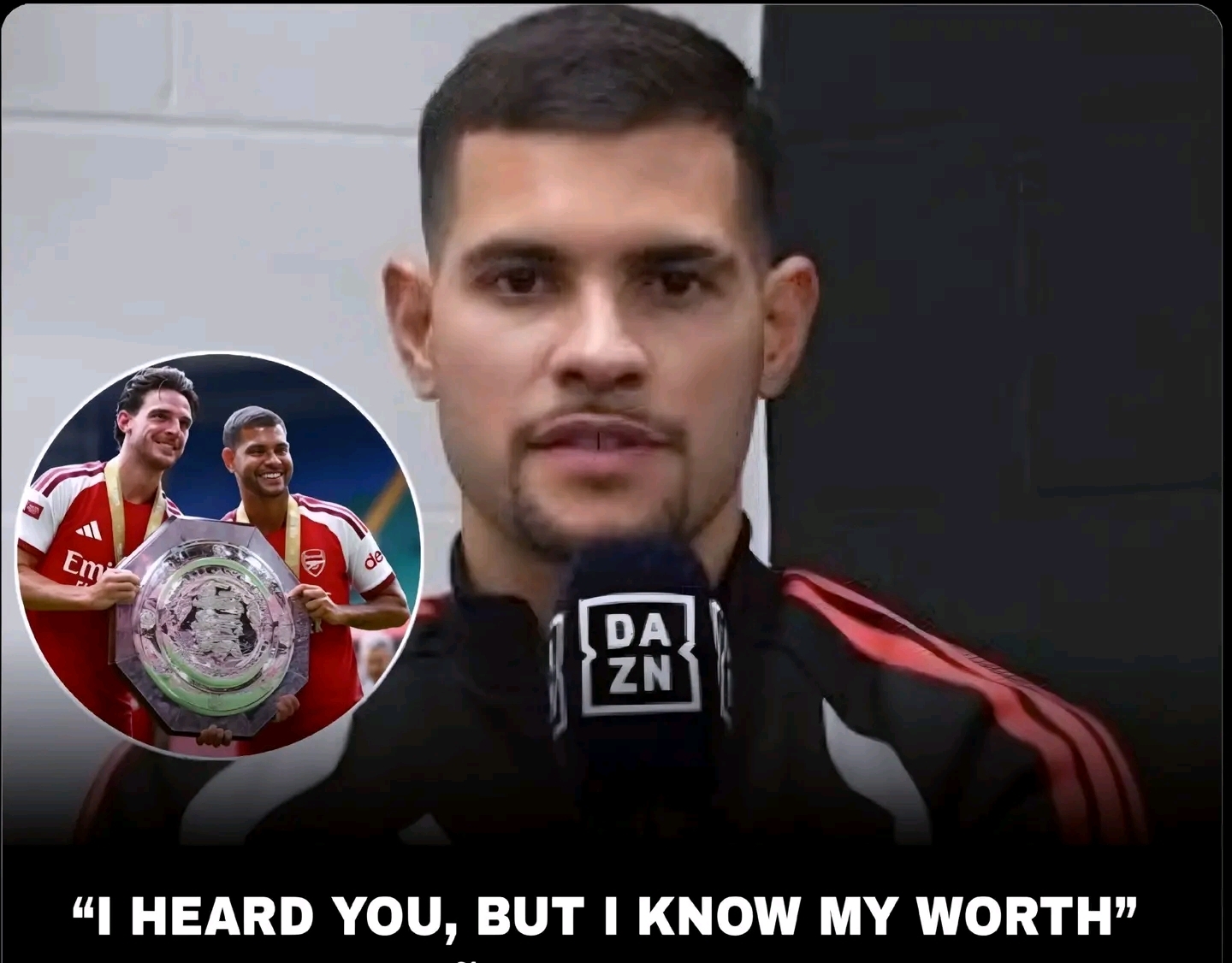
“I HEAR YOU, BUT I KNOW MY WORTH” — BRUNO GUIMARÃES SENDS BITTER 9-WORD MESSAGE TO NEWCASTLE FANS AFTER HEAVY CRITICISM
Bruno Guimarães has found himself at the centre of an emotional conversation among Newcastle United supporters following heavy criticism after his substitution, with a reported nine-word message adding another layer to the debate surrounding the midfielder.
For a player who has become such an important figure at Newcastle, being substituted can naturally attract attention, particularly when supporters believe the team needed his influence on the pitch.
The reaction has been intense because Bruno is not an ordinary squad player.
Since arriving at Newcastle, he has developed a reputation as one of the team’s most influential midfielders, capable of controlling possession, winning challenges, progressing the ball and providing the personality required in difficult moments.
That is precisely why criticism of him tends to generate such strong reactions.
When expectations become extremely high, even an average performance can be judged more harshly.
The reported message, “I hear you, but I know my worth,” has therefore attracted attention because of the tone behind it.
Whether interpreted as frustration, confidence or simply a response to criticism, the words appear to underline a player who remains convinced of his own value.
And that is where the situation becomes interesting for Newcastle.
Footballers at the highest level are constantly exposed to criticism.
One week, a midfielder can be praised as one of the most important players in the squad.
The following week, the same player can become the subject of criticism because of a poor performance, a tactical decision or a substitution.
Bruno’s situation demonstrates how quickly football can change.
There is also an important distinction between criticism and disrespect.
Supporters have every right to question performances, particularly when they invest emotionally and financially in their club.
At the same time, players are human beings who can understandably feel disappointed when criticism becomes personal.
For Bruno, the challenge will be responding on the pitch rather than allowing the controversy to dominate his season.
His strongest answer would be performances that remind supporters why they have previously placed so much faith in him.
The midfielder’s qualities have never really been in doubt.
His intensity, technical ability and leadership have made him a central part of Newcastle’s identity.
However, being an important player does not mean being immune from criticism.
That is an uncomfortable reality for every elite footballer.
If Bruno has struggled in a particular match, Newcastle supporters are entitled to say so.
Equally, Bruno is entitled to believe that one difficult performance does not suddenly erase everything he has contributed to the club.
That balance is essential.
The substitution itself may also have been purely tactical.
Managers make decisions based on the flow of a match, fitness, tactical adjustments and the need to change the momentum.
A substitution should not automatically be interpreted as punishment or a declaration that a player has failed.
Yet modern football does not always allow such decisions to pass quietly.
Every gesture is analysed.
Every facial expression is discussed.
Every social-media post can become a headline.
That is why a short message from a player can quickly become bigger than the original incident.
Newcastle supporters will naturally wonder whether Bruno’s words were aimed directly at those who criticised him.
If they were, then the message could be viewed as a sign of frustration.
If they were simply words expressing self-belief, then the reaction may say more about the intense scrutiny surrounding Newcastle’s biggest players.
Either way, the midfielder now has an opportunity to turn the conversation around.
The best response is football.
If Bruno returns to the pitch and delivers the kind of commanding midfield performance Newcastle fans have become accustomed to, much of the controversy could disappear almost immediately.
That is the nature of the game.
Football supporters have short memories when results and performances improve.
A player who is criticised today can become the hero again next weekend.
However, Newcastle’s wider challenge should not be ignored.
The club is operating in an environment where expectations have risen dramatically.
Supporters now expect Newcastle to compete at the highest level, challenge established clubs and perform consistently.
That naturally places greater pressure on influential players such as Bruno.
With that pressure comes responsibility.
Bruno must understand that criticism is part of being one of Newcastle’s leading figures.
Supporters, meanwhile, must recognise that criticism can be delivered without crossing the line into personal attacks.
The relationship between a player and supporters is strongest when both sides understand their responsibilities.
Bruno’s reported nine-word message has therefore opened a bigger discussion than simply whether he deserved to be substituted.
It raises questions about pressure, expectations, player confidence and the relationship between footballers and supporters in the social-media era.
Ultimately, Bruno Guimarães knows his value.
Newcastle supporters know what he is capable of.
The disagreement is really about whether his recent performances have matched those expectations.
That is something only football can settle.
Rather than allowing one substitution and a wave of criticism to define the story, Bruno has the opportunity to respond in the most convincing way possible.
Get back on the pitch.
Work harder.
Control games.
Lead the midfield.
And remind everyone why Newcastle invested so much faith in him.
If he does that, the nine-word message will eventually become little more than a footnote in a much bigger Newcastle story.


 admin


